

Overview
What it is.
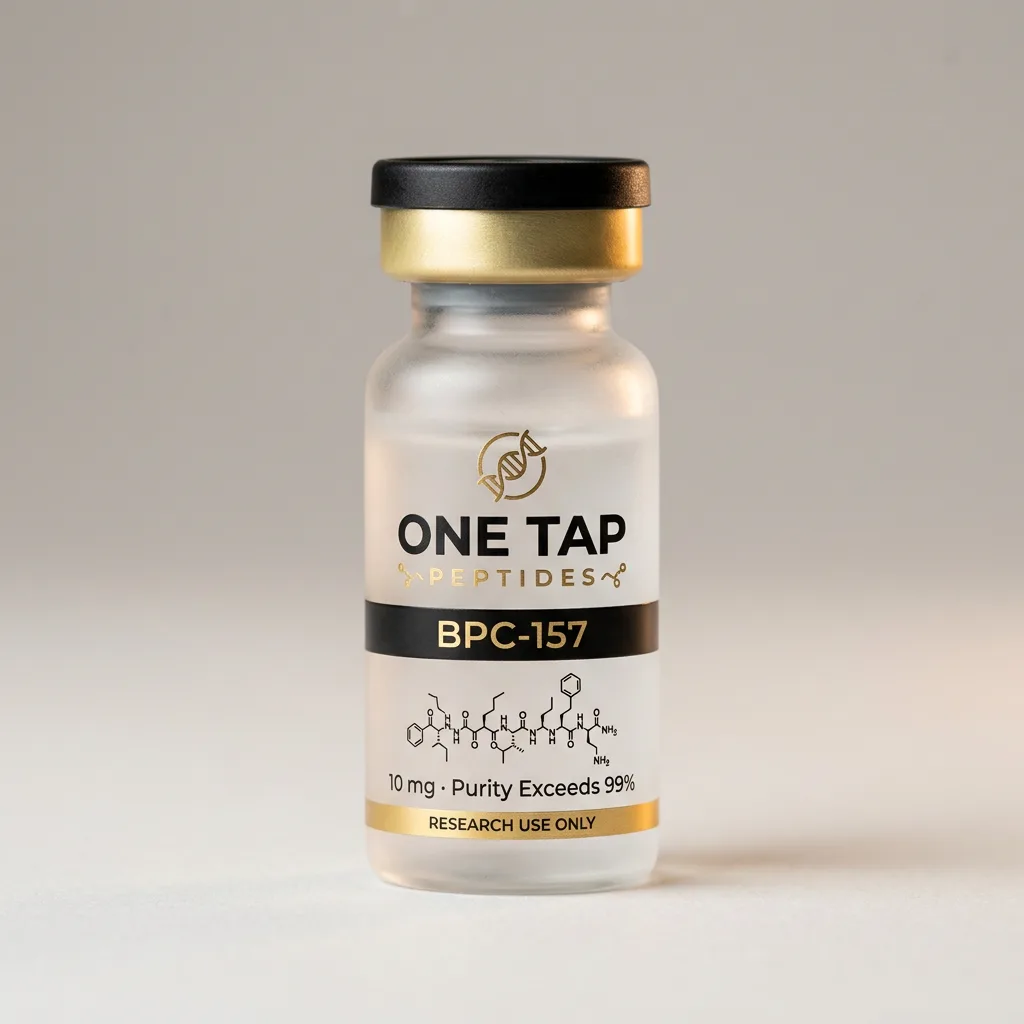
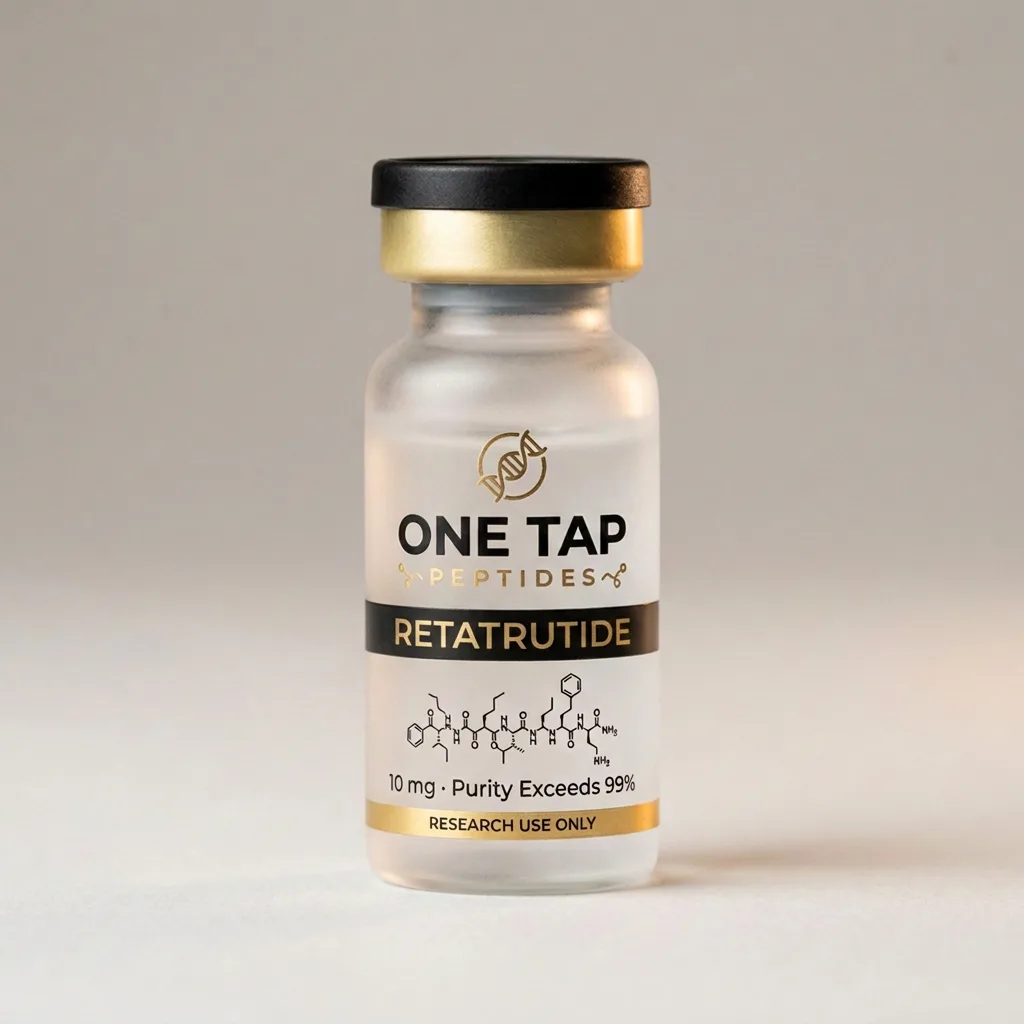
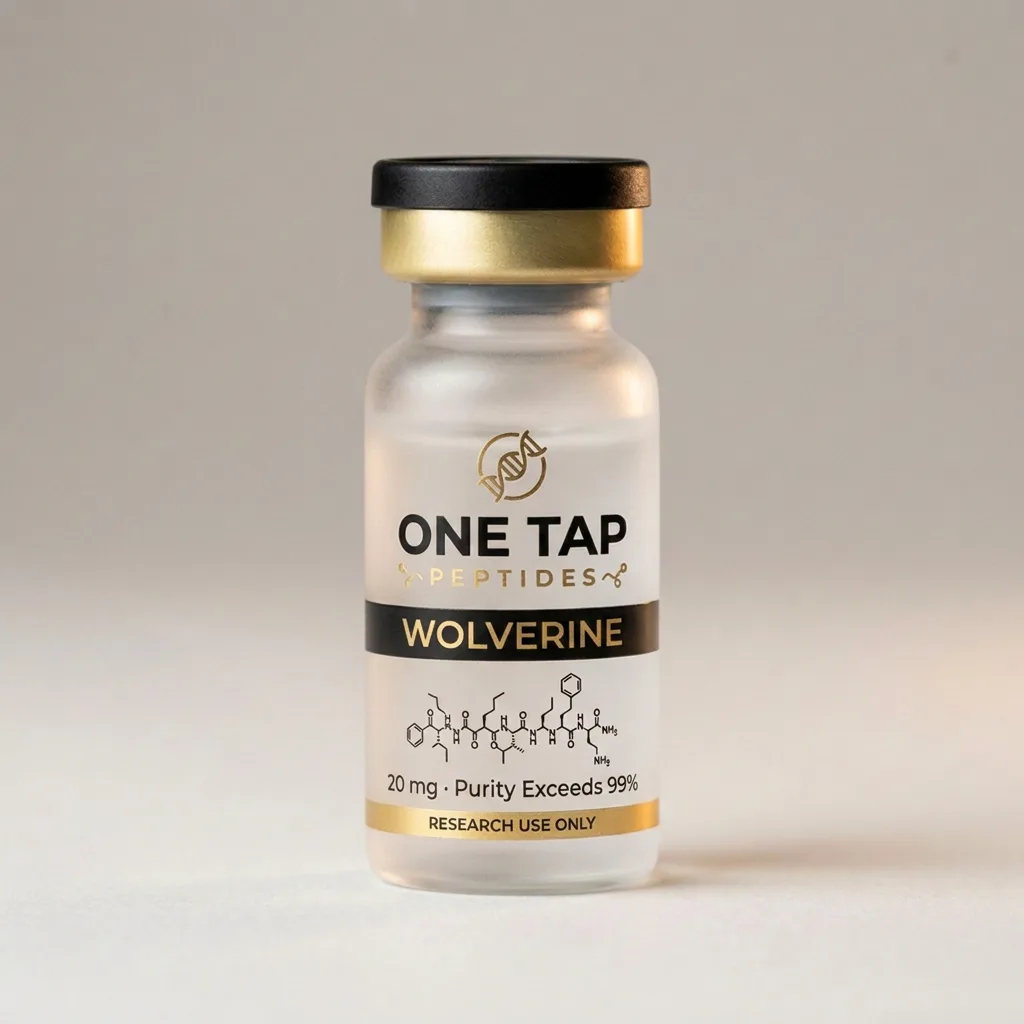
The Wolverine blend combines BPC-157 and TB-500, two peptides studied separately in animal models for tissue-repair pathways. Researchers pair the two for complementary coverage of repair-signaling and cell-migration mechanisms.
Research Areas
- Both components studied in animal models for tissue-repair processes
- Studied for potential complementary action on different repair pathways
- Studied together for combined tissue-repair and cell-migration research coverage
Batch & Testing
Proof, not promises.
COA ships with every order
The Certificate of Analysis for your batch ships in the box with your order. We're publishing the certificate archive here next.
Research Deep-Dive
How it works.
Research Deep-Dive
How it works.
"Wolverine" is an informal, online-vendor name for combining BPC-157 and TB-500 (thymosin beta-4) — it is not a pharmacy formulation or a studied product, just a marketing label attached to two peptides that are each individually studied in animal models for tissue-repair signaling.
BPC-157 is a gastric-derived peptide fragment studied for interaction with growth-factor and blood-vessel-formation pathways involved in healing; TB-500 is a synthetic version of a naturally occurring protein studied for its role in cell migration and structural signaling during tissue repair. The blend's premise is that the two act on different parts of the repair process.
Use Cases Explored
- Both components studied in animal models for their potential role in tissue-repair processes
- Studied for potential complementary action on different repair-signaling mechanisms
- Framed in online marketing around faster recovery from training or injury — a claim the underlying research does not support
The Evidence
Both components: extensive animal research, limited human trial data
BPC-157 and TB-500 have each been studied across a range of animal injury models (tendon, gut, wound healing) with generally positive preclinical signals, but neither has the kind of controlled human clinical trial base that would support therapeutic claims in people.
No trial has evaluated the combination itself
The pairing exists as an online-vendor marketing convention, not a studied protocol — there is no clinical or preclinical trial testing BPC-157 and TB-500 together, so any claimed synergy is theoretical, drawn from each compound's separate research rather than from combined-use data.
Neither peptide has an FDA-authorized compounding pathway
Both received a favorable PCAC advisory vote in July 2026 for possible future inclusion on the 503A bulks list, but that is a recommendation, not FDA authorization — as of today, no licensed U.S. pharmacy can lawfully compound either component, let alone the blend.
Specifications
The essentials.
Specifications
The essentials.
- Form
- Lyophilized powder
- Storage
- Store in a cool, dry place. Refrigerate at 2–8°C after reconstitution
- Shelf life
- 24 months lyophilized; 4–6 weeks refrigerated after reconstitution
- Solubility
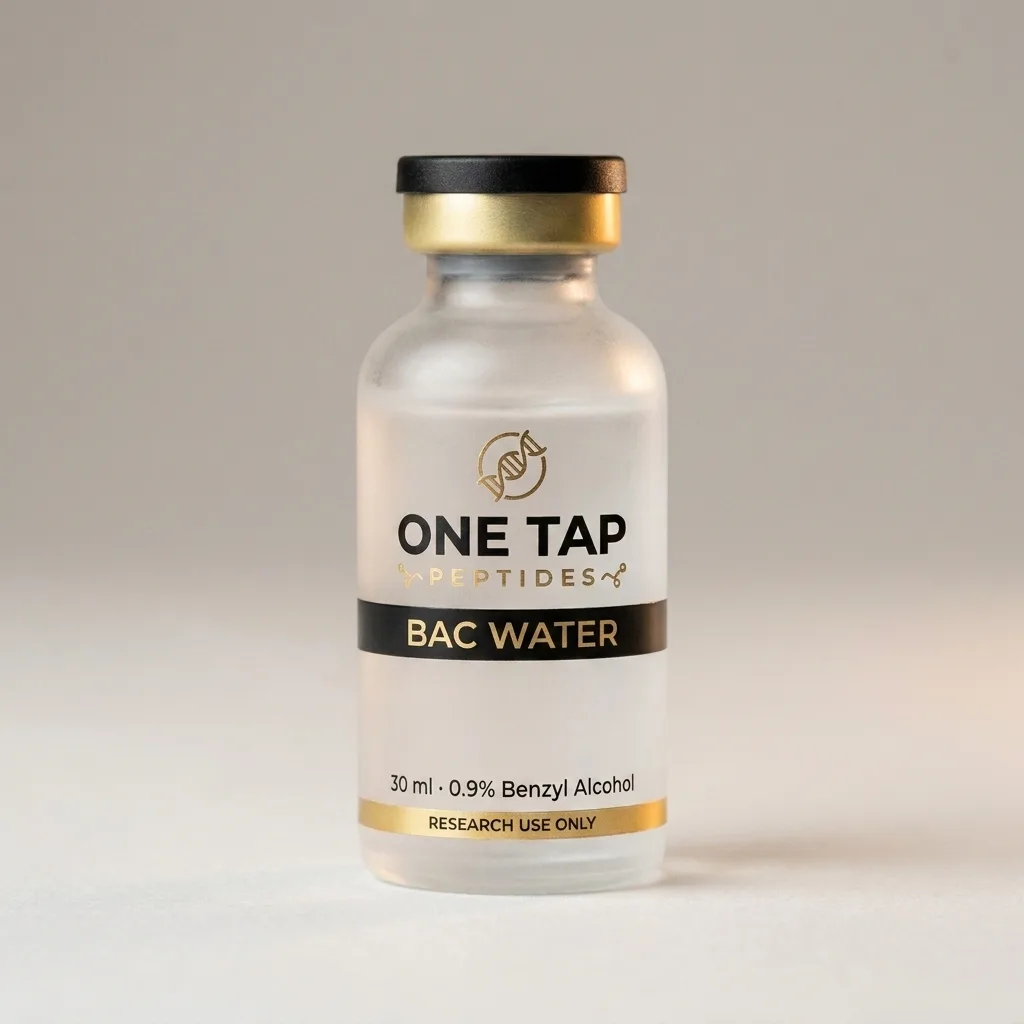
- Reconstitute with bacteriostatic water
- Vial capacity
- 3 ml glass vial
Blend Components
Questions
Wolverine Blend FAQ
Questions
Wolverine Blend FAQ
What is the Wolverine Blend studied for?+
Both components are studied in animal models for tissue-repair processes, examined together for potential complementary action on different repair pathways and combined tissue-repair and cell-migration research coverage.
What's in the Wolverine Blend, and in what ratio?+
It's BPC-157 and TB-500 formulated at a 1:1 ratio by mg across all four sizes — for example, the 10 mg vial is 5 mg BPC-157 and 5 mg TB-500.
How should the Wolverine Blend be handled and stored?+
It ships as a lyophilized powder. Reconstitute with bacteriostatic water and refrigerate at 2–8°C after mixing — good for roughly 4–6 weeks refrigerated, or up to 24 months unreconstituted in a cool, dry place.
What testing does this batch undergo?+
Every batch is HPLC tested for purity and identity, plus sterility and endotoxin screening, before release. The Certificate of Analysis for that lot ships with your order.
Blends & Stacks
Wolverine Blend
BPC-157 + TB-500
The most requested tissue-repair research combination — BPC-157 paired with TB-500.
Size
Multi-vial pricing
Per-vial pricing, applied automatically. No code needed.
Ships within 24 hours · $20 flat shipping · Free over $200
Pay simply and securely via Zelle or Apple Pay (Apple Cash) — instructions are emailed the moment you order. How payment works →
Satisfaction guarantee — if a batch's documentation doesn't check out, contact support and we'll make it right.
All products sold by One Tap Peptides are intended for laboratory research use only. Not for human consumption. Not intended for animal use. Not intended for diagnostic or therapeutic purposes.
Related