


Overview
What it is.
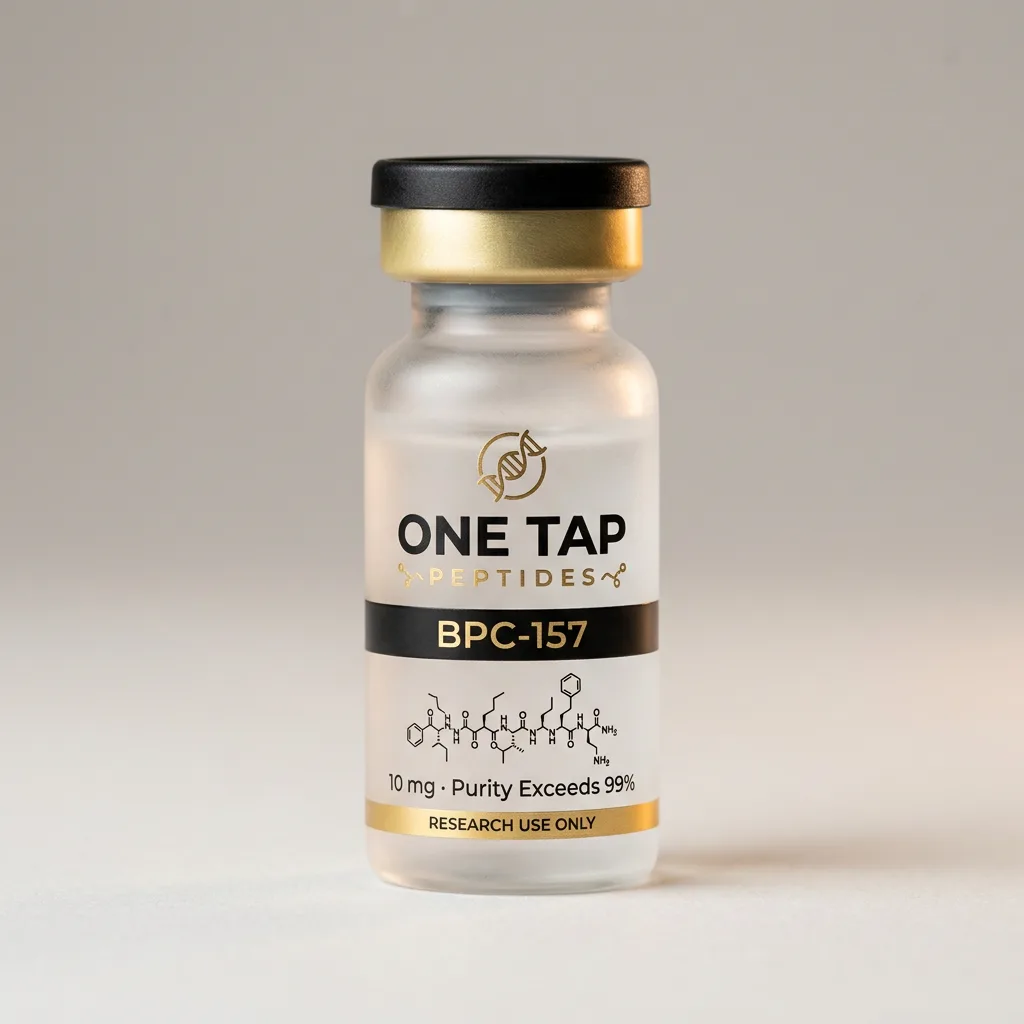
BPC-157 is a peptide fragment derived from a protein found in gastric juice, and one of the most widely studied peptides in tissue-repair research. It has been examined extensively in animal models for its interaction with tissue-repair and blood-vessel-formation pathways.
Research Areas
- Studied in animal models for its potential role in tissue-repair processes
- Studied for its potential role in gut-lining-integrity research
- Studied for its interaction with growth-factor and blood-vessel-formation pathways
Batch & Testing
Proof, not promises.
COA ships with every order
The Certificate of Analysis for your batch ships in the box with your order. We're publishing the certificate archive here next.
Research Deep-Dive
How it works.
Research Deep-Dive
How it works.
BPC-157 is a synthetic peptide derived from a protein fragment found in human gastric juice. It is one of the most widely discussed compounds in recovery and longevity communities, with an unusually large animal-research base spanning tendon, muscle, bone, ligament, and gut-tissue models — but a human evidence base that remains extremely thin by comparison.
In animal and cell studies, BPC-157 has been shown to promote angiogenesis (new blood vessel formation), stimulate collagen synthesis and fibroblast activity, and interact with nitric oxide and growth-factor signaling pathways — a combination researchers believe underlies its consistently observed effects on tissue healing in rodent models.
Use Cases Explored
- Preclinical research into tendon, ligament, muscle, and bone healing
- Preclinical research into gastric and gut-lining protection
- Mechanistic research into angiogenesis and growth-factor signaling
The Evidence
Extensive animal research base
A 2025 systematic review screened 544 published papers and found 36 met inclusion criteria — 35 of them preclinical animal studies, and only one a human study. The animal findings on soft-tissue healing are described as consistently positive across a wide range of injury models.
Very limited human data
Only a small number of small, uncontrolled human pilot studies exist (covering knee pain, interstitial cystitis, and IV safety/pharmacokinetics), and one registered human trial was marked completed but its results were never published — a gap researchers have flagged directly.
Regulatory status and theoretical safety questions
The FDA has restricted BPC-157 from pharmacy compounding (it is a Category 2 substance), and the UK's MHRA opened an investigation in 2026 into clinics marketing it without adequate evidence. Researchers have also noted an unresolved theoretical concern: the same VEGF-related pathways BPC-157 engages for healing are pathways tumors also use to build blood supply, and no human data address that risk.
Specifications
The essentials.
Specifications
The essentials.
- Form
- Lyophilized powder
- Storage
- Store in a cool, dry place. Refrigerate at 2–8°C after reconstitution
- Shelf life
- 24 months lyophilized; 4–6 weeks refrigerated after reconstitution
- Solubility
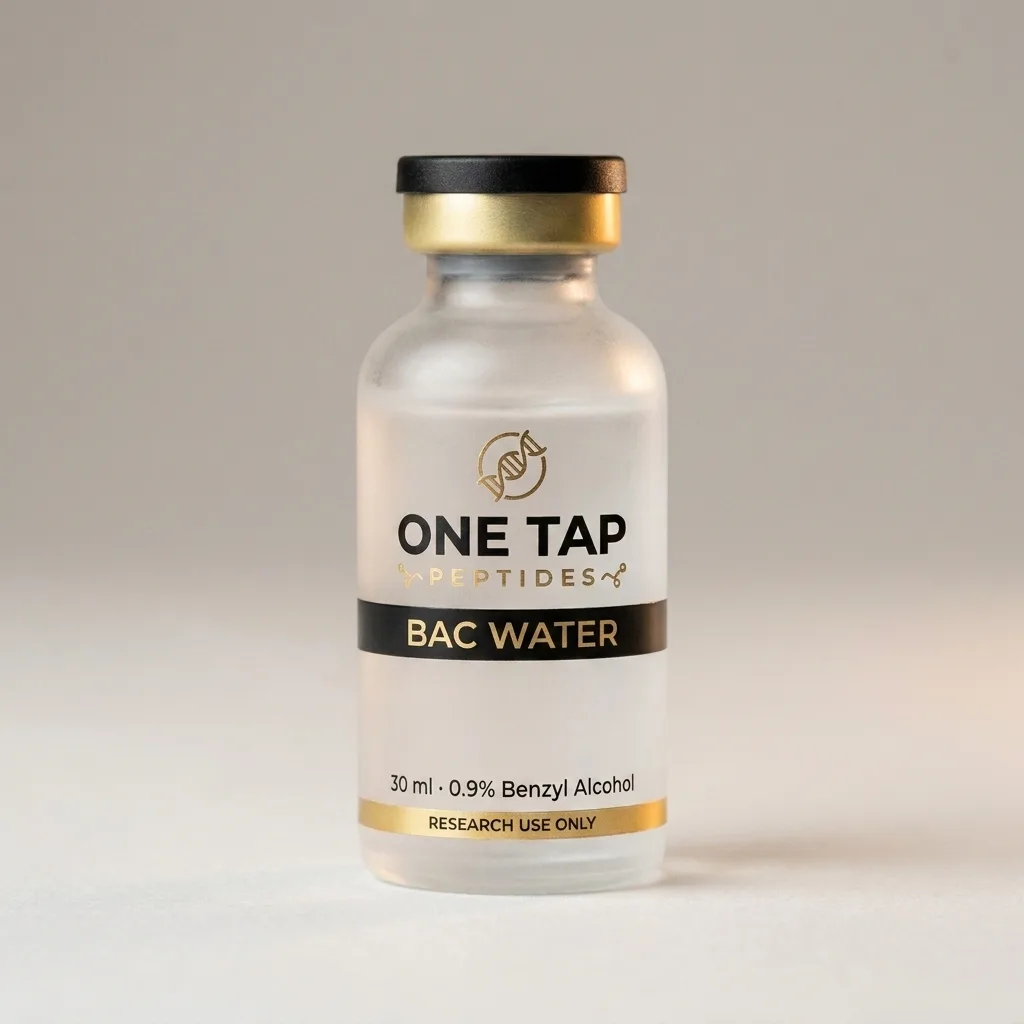
- Reconstitute with bacteriostatic water
- Vial capacity
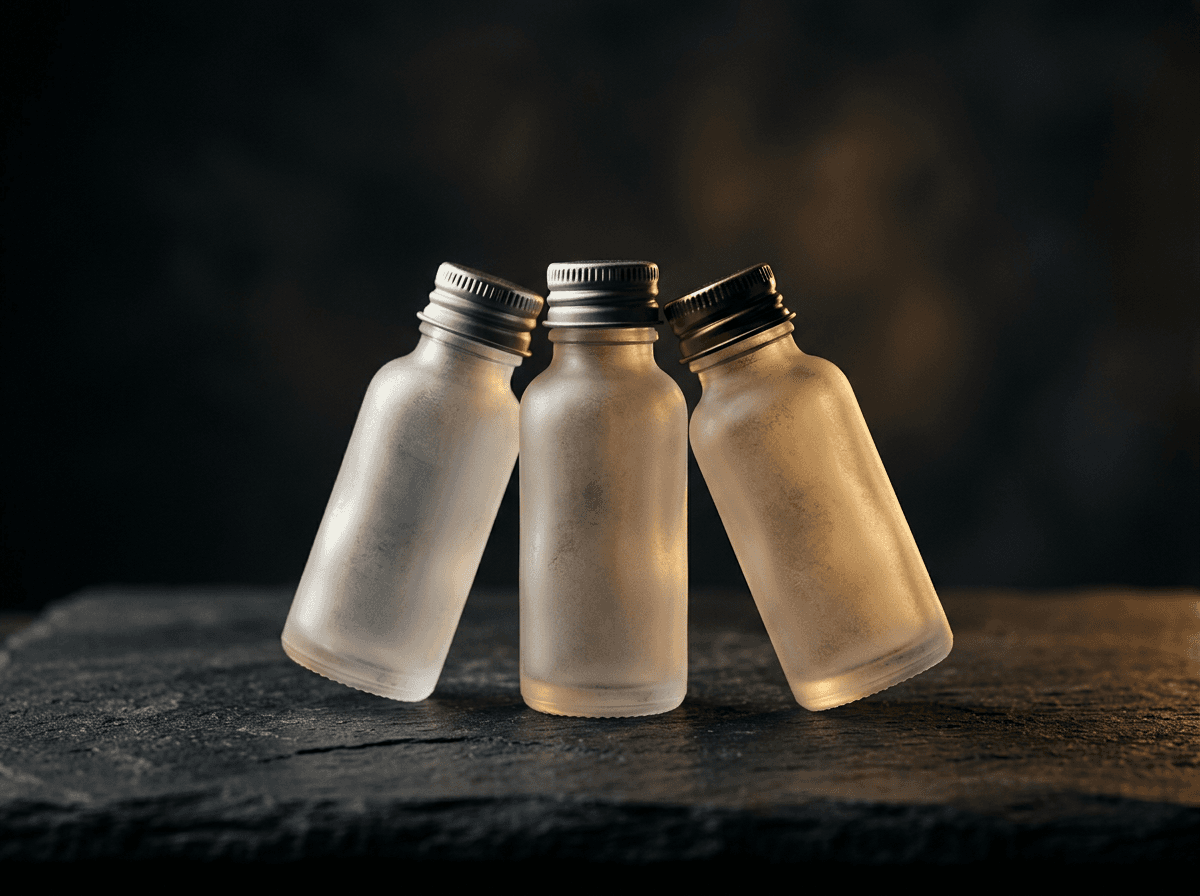
- 3 ml glass vial
Questions
BPC-157 FAQ
Questions
BPC-157 FAQ
How extensive is the research base for BPC-157?+
It's one of the most widely referenced peptides in tissue-repair literature, with a substantial body of animal-model research examining its interaction with repair and blood-vessel-formation pathways.
How is BPC-157 different from TB-500, its frequent research partner?+
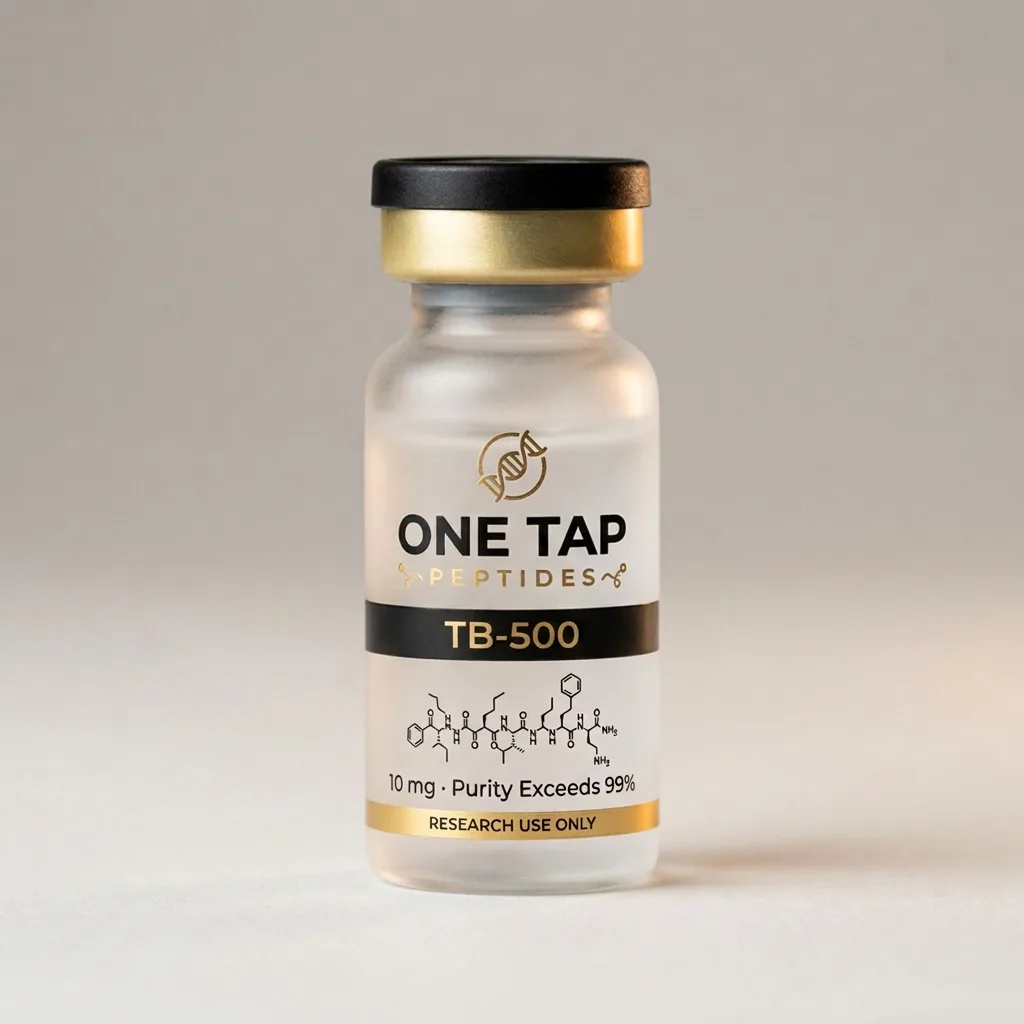
BPC-157 is a gastric-juice-derived fragment studied for gut-lining and blood-vessel-related repair signaling, while TB-500 is a synthetic Thymosin Beta-4 studied for cell-migration signaling — researchers pair the two (see our Wolverine Blend) for complementary repair-pathway coverage.
How should BPC-157 be handled and stored?+
It ships as a lyophilized powder. Reconstitute with bacteriostatic water and refrigerate at 2–8°C after mixing — good for roughly 4–6 weeks refrigerated, or up to 24 months unreconstituted in a cool, dry place.
What testing does this batch undergo?+
Every batch is HPLC tested for purity and identity, plus sterility and endotoxin screening, before release. The Certificate of Analysis for that lot ships with your order.
Tissue Repair
BPC-157
Body Protection Compound-157
A stomach-derived peptide widely studied in animal models for a role in tissue-repair research.
Size
Multi-vial pricing
Per-vial pricing, applied automatically. No code needed.
Ships within 24 hours · $20 flat shipping · Free over $200
Pay simply and securely via Zelle or Apple Pay (Apple Cash) — instructions are emailed the moment you order. How payment works →
Satisfaction guarantee — if a batch's documentation doesn't check out, contact support and we'll make it right.
All products sold by One Tap Peptides are intended for laboratory research use only. Not for human consumption. Not intended for animal use. Not intended for diagnostic or therapeutic purposes.
Related