


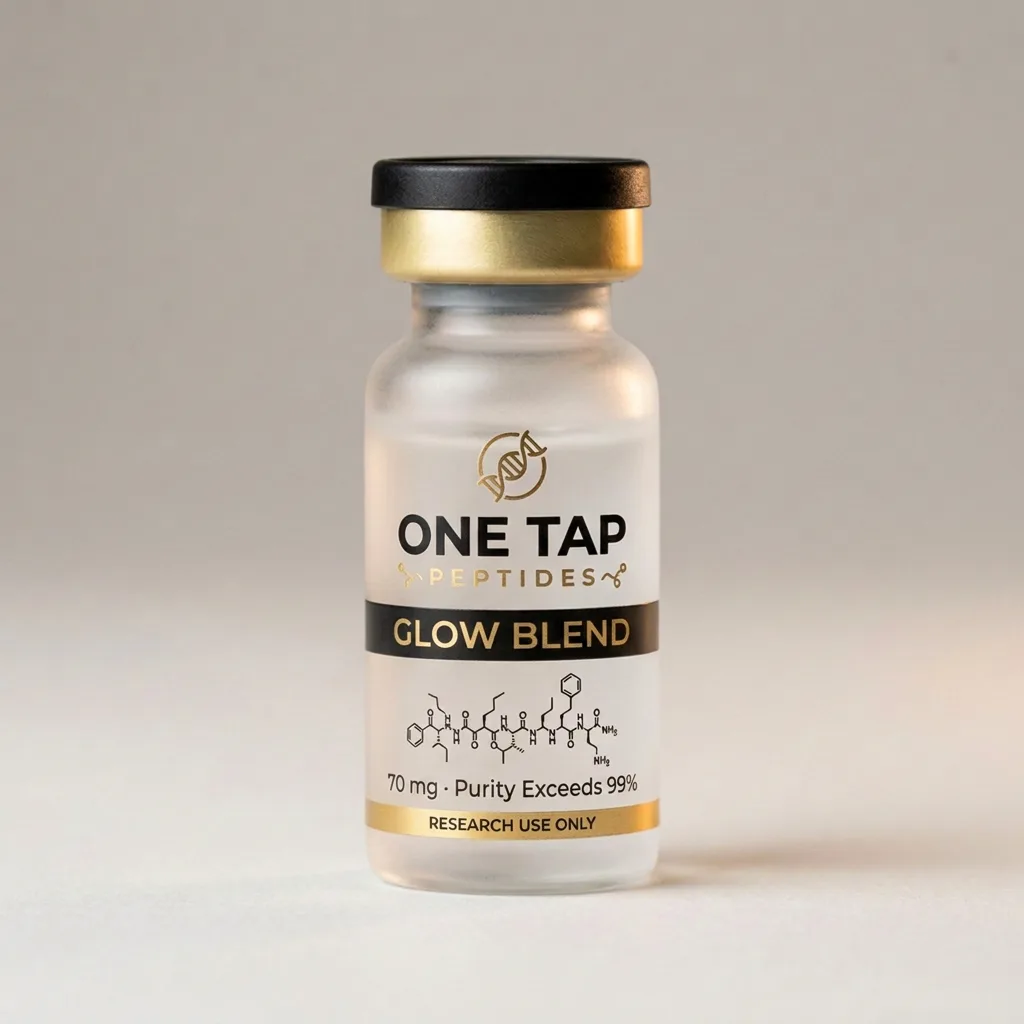
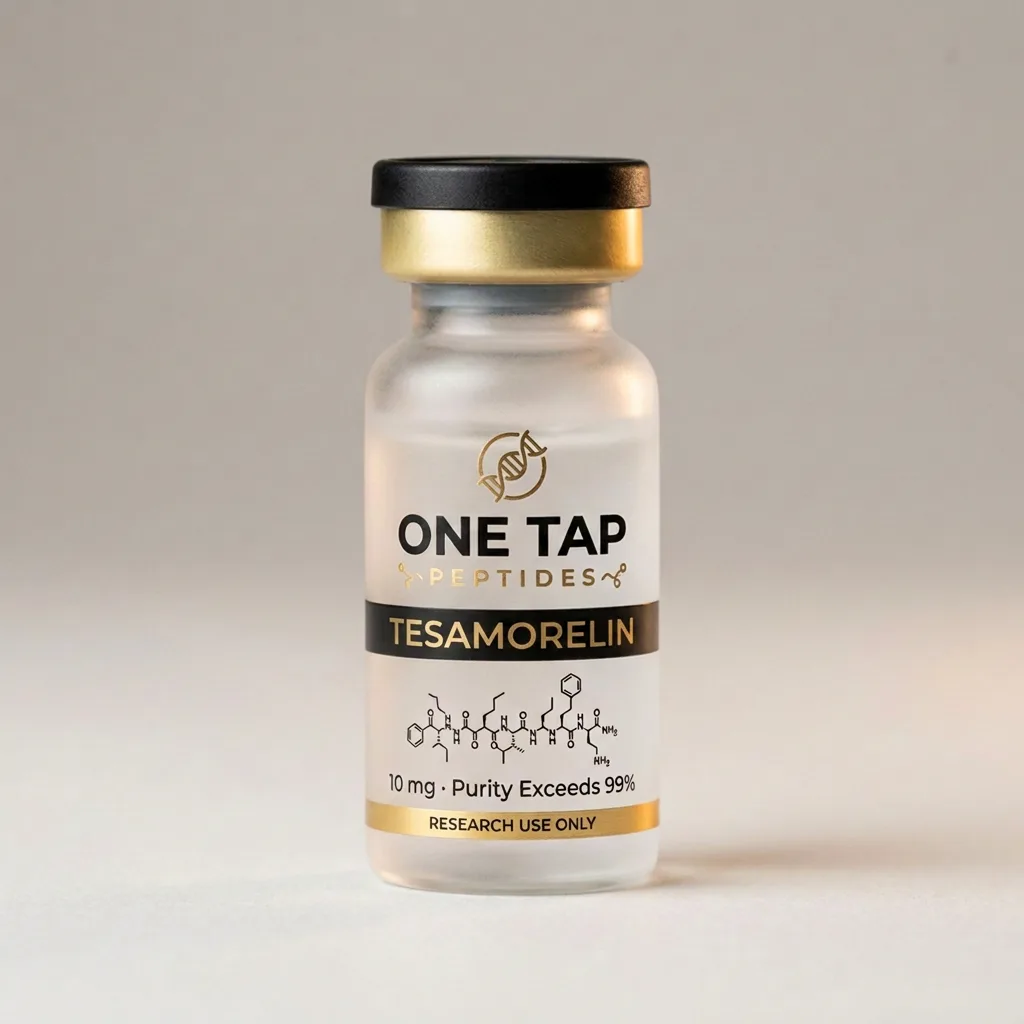

Lab Tools
Reconstitution,
done precisely.
Reconstitution is a bench technique, not guesswork — the ratio of bacteriostatic water to lyophilized peptide determines concentration exactly, down to the decimal. This page walks through the technique and the arithmetic behind it, and the calculator below does the math instantly for any vial size, solvent volume, and target aliquot.
Calculator
Concentration & aliquot volume.
Enter the peptide amount in the vial, the bacteriostatic water added, and a target aliquot to get concentration and exact aliquot volume in mL and µL.
Concentration
5000.0mcg/ml
Per 0.1 ml
500.0mcg
Aliquot Volume
0.050ml
Aliquot Volume
50.0µl
For laboratory research calculations only. Not medical or dosing advice.
This is a laboratory dilution calculator for preparing research solutions. It provides no administration or dosing guidance of any kind. Products are not for human or veterinary use.
How Reconstitution Works
Technique matters as much as the math.
Getting the concentration right is only half of reconstitution — how the solvent is added and handled determines whether the peptide's structure survives the process intact.
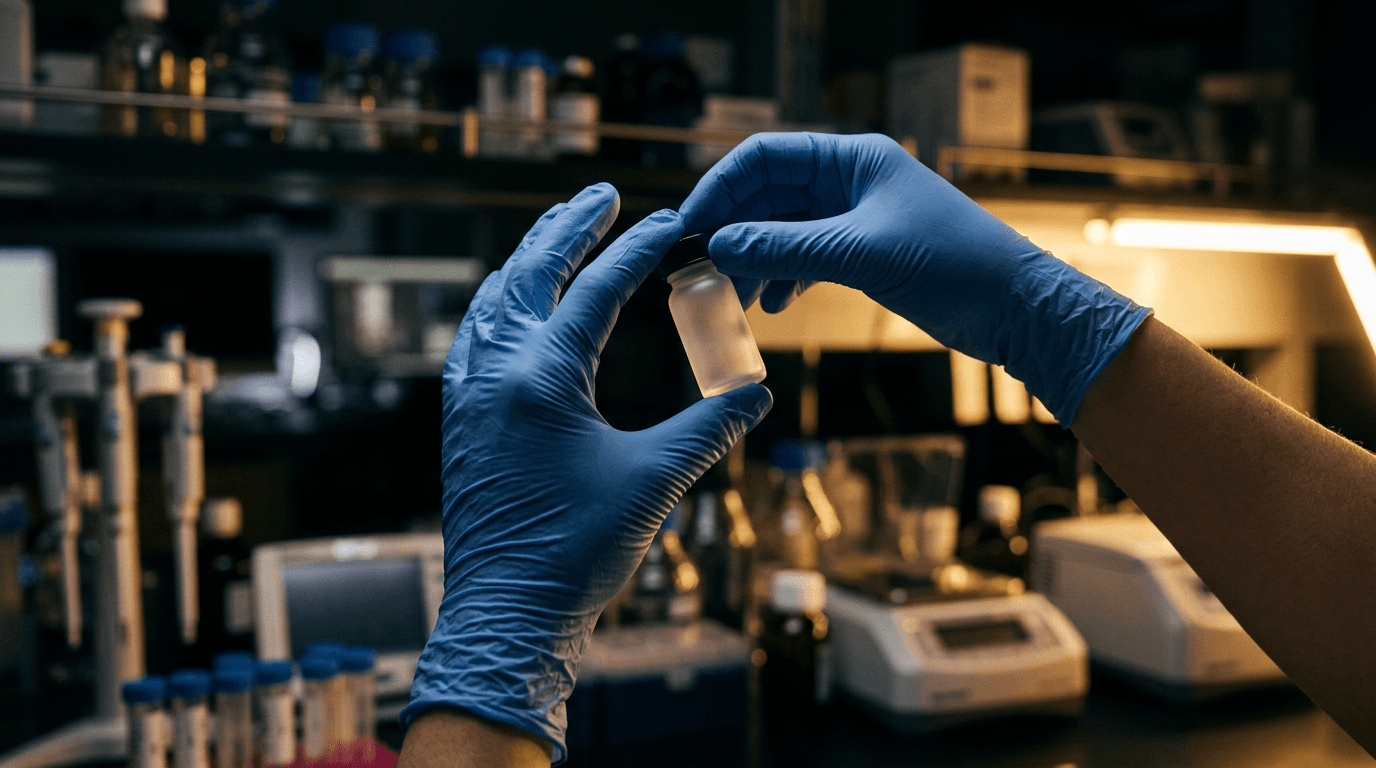
Add solvent
Add bacteriostatic water slowly down the inside wall of the vial — never directly onto the lyophilized powder. A slow, controlled transfer disturbs the peptide's structure far less than a fast stream.
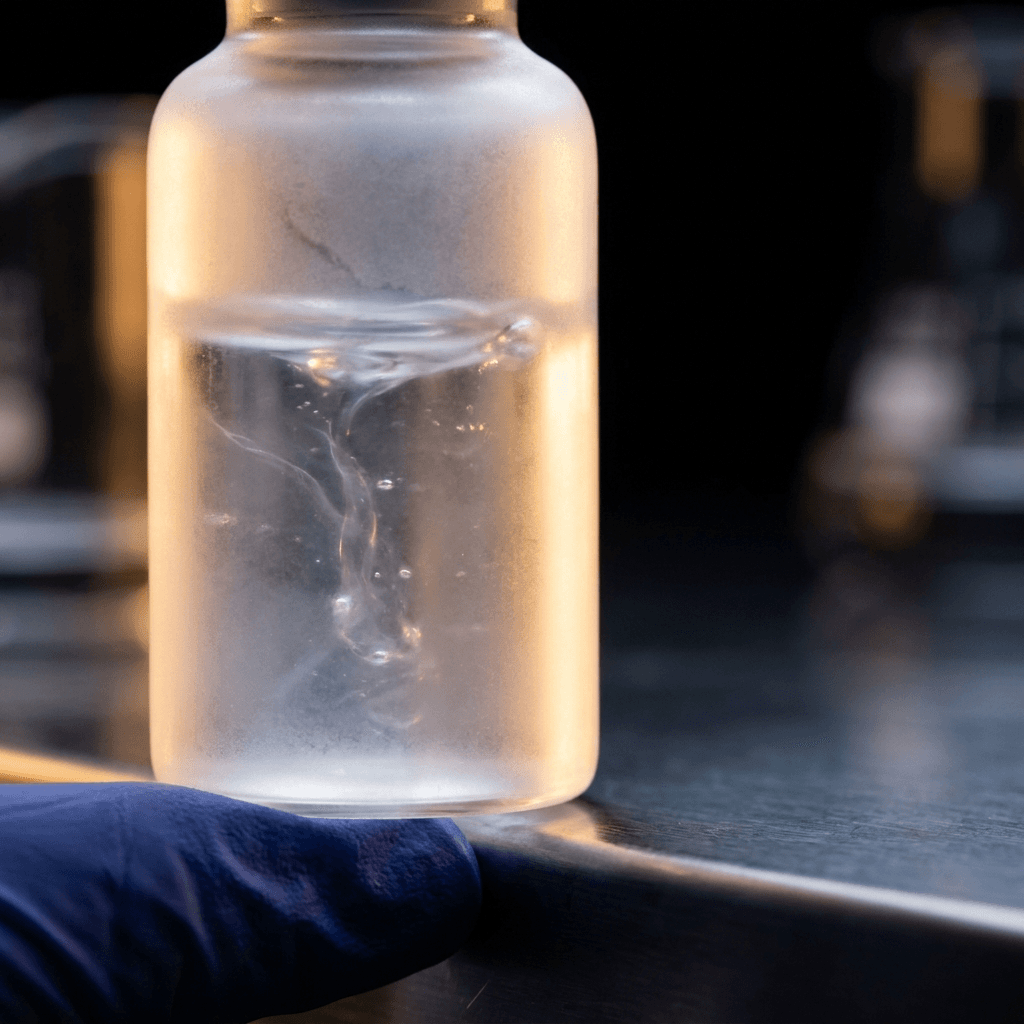
Let dissolve, never shake
Let the vial sit for a minute, then dissolve the powder with a gentle roll or swirl between your palms. Agitation and shaking introduce shear force that can denature peptide bonds — patience is the technique.
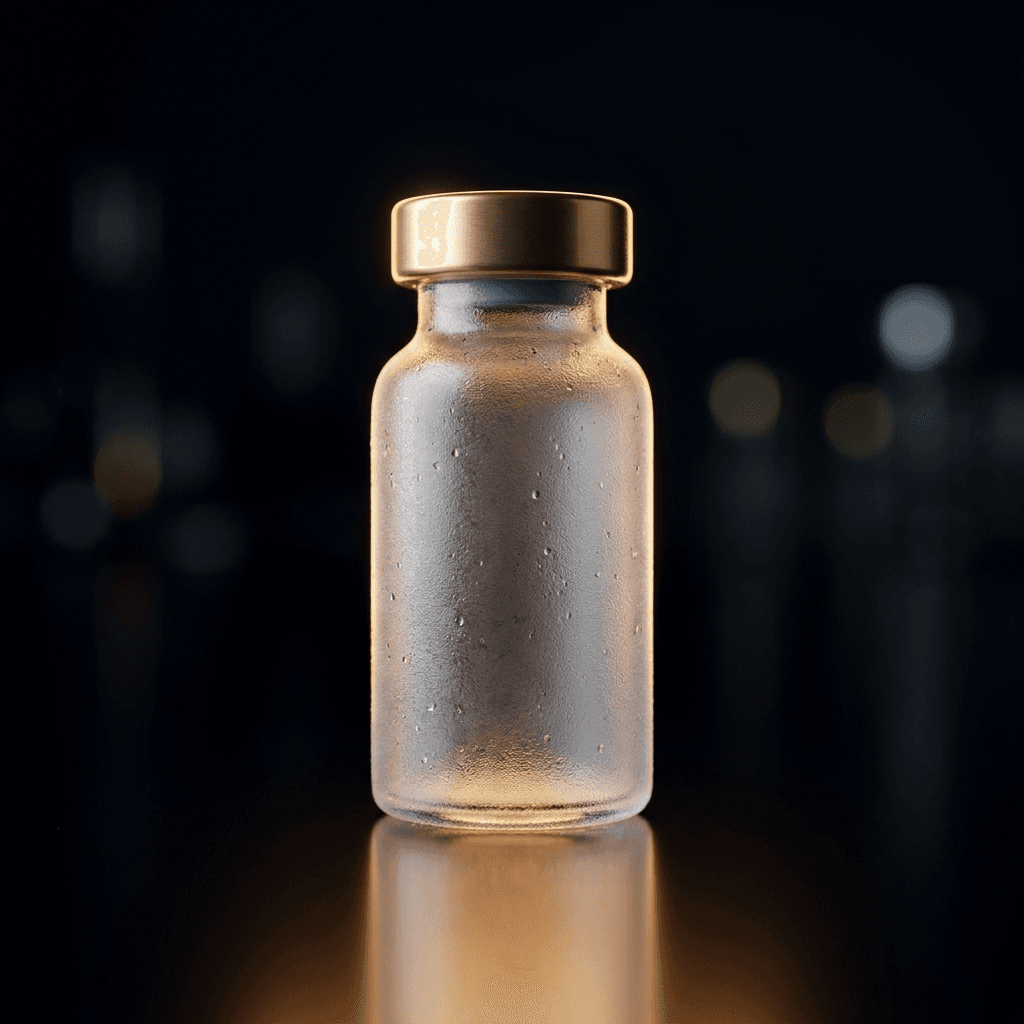
Store cold
Once fully clear, label the vial with the reconstitution date and refrigerate at 2–8°C. Keep it out of direct light and away from freezer temperatures — freezing and thawing cycles degrade reconstituted solution.
Reference Table
Vial size × bacteriostatic water → concentration.
Resulting concentration in mcg/ml for common vial sizes and bacteriostatic water volumes. Pure arithmetic — concentration = vial mg × 1000 ÷ ml of solvent added. Not a dosing recommendation.
| Vial Size | 1 ml BAC | 2 ml BAC | 3 ml BAC | 5 ml BAC |
|---|---|---|---|---|
| 2 mg | 2,000 mcg/ml | 1,000 mcg/ml | 667 mcg/ml | 400 mcg/ml |
| 5 mg | 5,000 mcg/ml | 2,500 mcg/ml | 1,667 mcg/ml | 1,000 mcg/ml |
| 10 mg | 10,000 mcg/ml | 5,000 mcg/ml | 3,333 mcg/ml | 2,000 mcg/ml |
| 15 mg | 15,000 mcg/ml | 7,500 mcg/ml | 5,000 mcg/ml | 3,000 mcg/ml |
| 20 mg | 20,000 mcg/ml | 10,000 mcg/ml | 6,667 mcg/ml | 4,000 mcg/ml |
| 30 mg | 30,000 mcg/ml | 15,000 mcg/ml | 10,000 mcg/ml | 6,000 mcg/ml |
Table values are computed directly from vial size and solvent volume. For a specific target aliquot, use the calculator above.
Reconstitution FAQ
Common questions, answered.
01Why is bacteriostatic water used instead of plain sterile water?+
Bacteriostatic water contains 0.9% benzyl alcohol, which inhibits bacterial growth in a multi-dose vial over repeated draws. Plain sterile water has no such preservative, so a vial reconstituted with it is intended for a single, immediate draw rather than storage.
02How long does a reconstituted vial remain stable?+
Once dissolved, most lyophilized peptides remain chemically stable for roughly 2–4 weeks when kept refrigerated at 2–8°C, though stability varies by compound. Cloudiness, discoloration, or precipitate is a sign the solution should no longer be used.
03How do I measure a small aliquot volume accurately?+
Aliquot volumes at the microliter scale are hard to measure precisely by eye. A calibrated micropipette with disposable tips is the standard bench instrument for measuring µl-scale volumes accurately — the calculator above converts a target aliquot into both ml and µl so it lines up directly with pipette markings.
04How should a reconstituted vial be stored?+
Refrigerate at 2–8°C, upright, away from direct light and away from the freezer compartment. Freezing a reconstituted solution and thawing it again is one of the more common causes of degraded solution quality.
05Why should a reconstituted vial never be shaken?+
Peptides are held together by weaker structural bonds than small-molecule drugs, and vigorous shaking introduces mechanical shear and foaming that can break those bonds or denature the compound. A gentle swirl or roll between the palms dissolves the powder without that risk.
All products sold by One Tap Peptides are intended for laboratory research use only. Not for human consumption. Not intended for animal use. Not intended for diagnostic or therapeutic purposes.