


Overview
What it is.
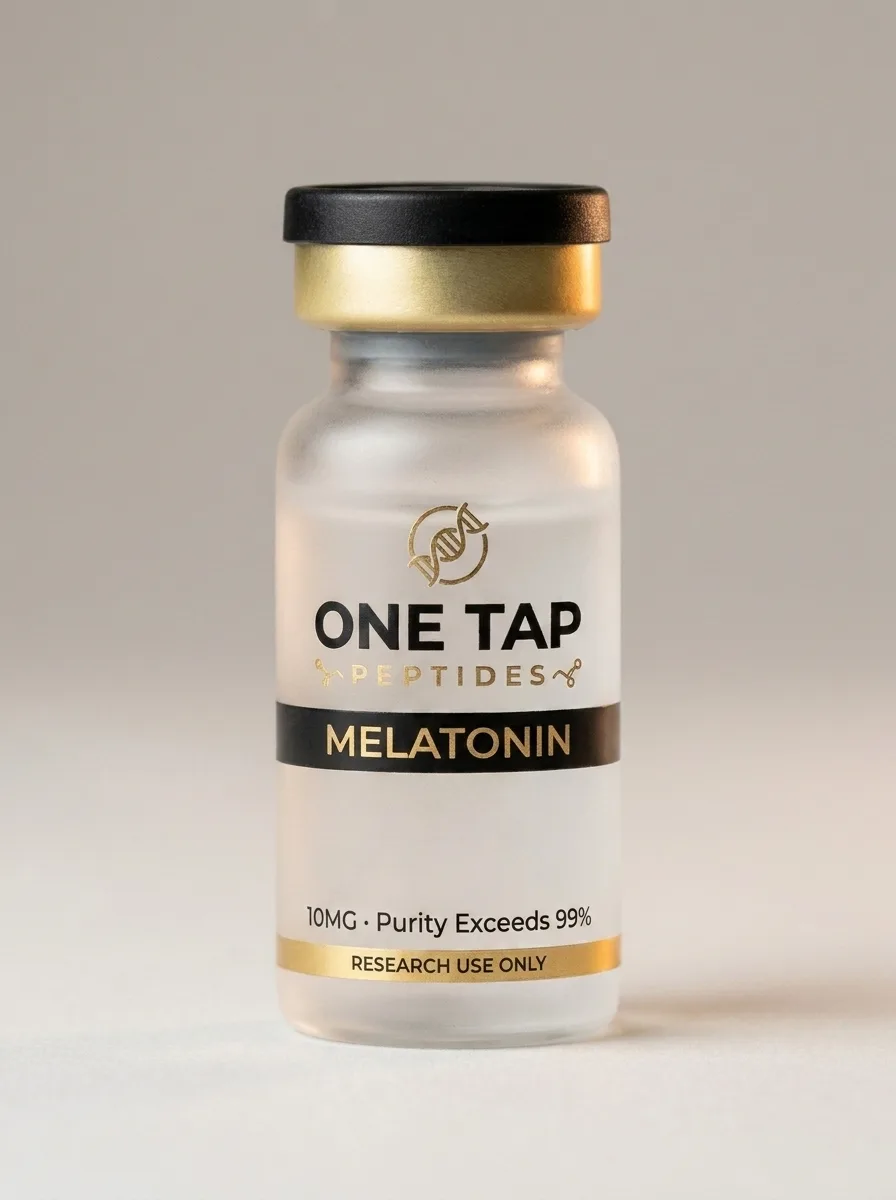
Melatonin is a hormone produced by the pineal gland that regulates circadian rhythm, not a peptide, supplied here in research-grade vial form for sleep-architecture and circadian-signaling research alongside compounds like DSIP and Pinealon.
Research Areas
- Studied for its role in circadian-rhythm regulation
- Studied alongside DSIP and Pinealon in sleep-architecture-adjacent research
- Studied for its potential role in antioxidant-pathway research
Batch & Testing
Proof, not promises.
COA ships with every order
The Certificate of Analysis for your batch ships in the box with your order. We're publishing the certificate archive here next.
Research Deep-Dive
How it works.
Research Deep-Dive
How it works.
Melatonin is the hormone produced by the pineal gland that regulates circadian rhythm, supplied here in research-grade lyophilized vial form rather than the over-the-counter oral formulations most people are familiar with.
It's studied for engaging melatonin receptors in the brain's suprachiasmatic nucleus — the body's central circadian clock — to help synchronize sleep-wake timing, alongside a separate line of research into its antioxidant properties at the cellular level.
Use Cases Explored
- Studied for its role in circadian-rhythm regulation
- Studied alongside DSIP and Pinealon in sleep-architecture-adjacent research
- Studied for its potential role in antioxidant-pathway research
The Evidence
Extensive foundational literature
Melatonin's circadian-regulation role is one of the most well-established findings in chronobiology, backed by decades of research across animal models and human studies.
Antioxidant-pathway research, comparatively newer
Its antioxidant-related research is a newer and less consolidated area than its circadian role, and claims in that space should be weighed more cautiously.
Specifications
The essentials.
Specifications
The essentials.
- Form
- Lyophilized powder
- Storage
- Store in a cool, dry place. Refrigerate at 2–8°C after reconstitution
- Shelf life
- 24 months lyophilized; 4–6 weeks refrigerated after reconstitution
- Solubility
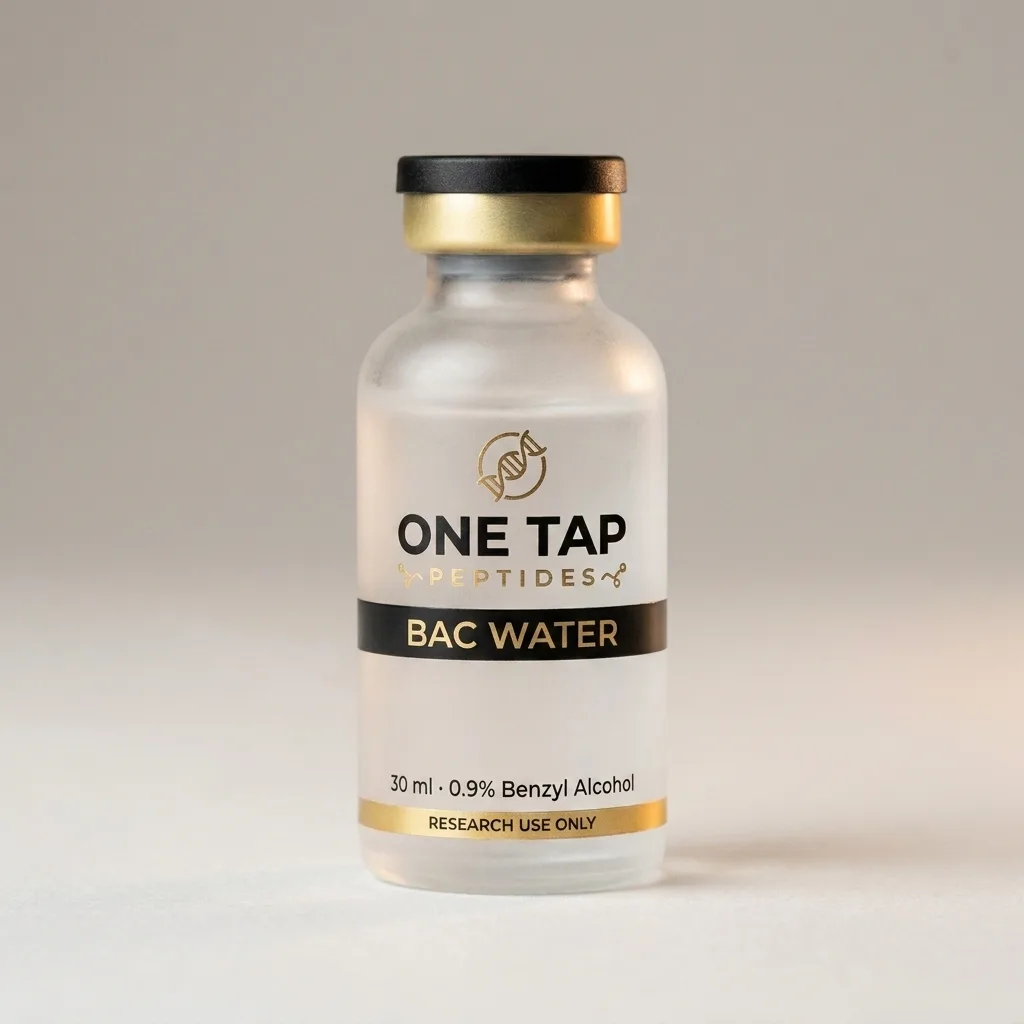
- Reconstitute with bacteriostatic water
- Vial capacity
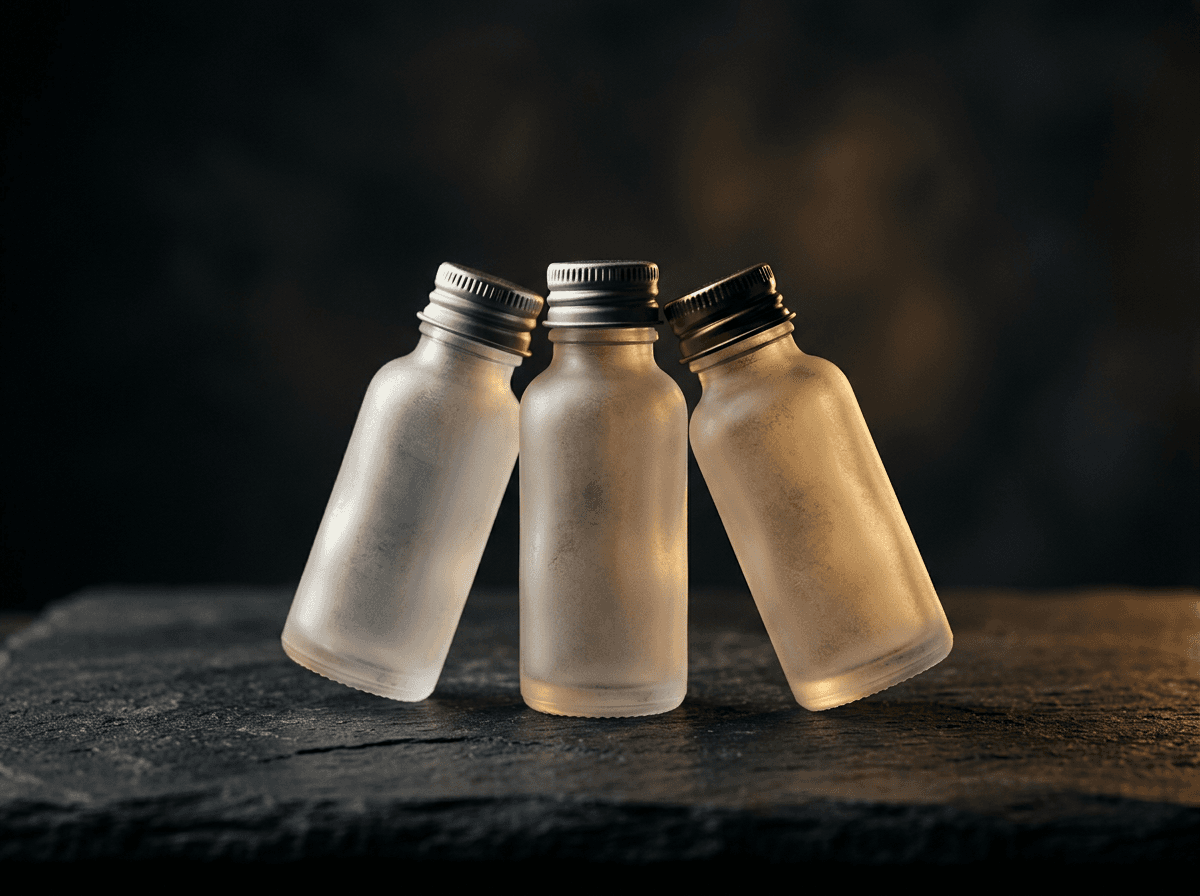
- 3 ml glass vial
Questions
Melatonin FAQ
Questions
Melatonin FAQ
What is Melatonin studied for?+
Melatonin is studied for its role in circadian-rhythm regulation and its potential role in antioxidant-pathway research, in addition to its well-established function as the pineal gland's circadian hormone.
Is Melatonin a peptide?+
No — it's a small-molecule hormone, not a peptide. It's included here because it's frequently studied alongside sleep- and circadian-pathway peptide research.
Why is Melatonin sold alongside DSIP and Pinealon?+
All three are studied in sleep-architecture- and circadian-signaling-adjacent research, so researchers running protocols in that area frequently order them together.
How should Melatonin be handled and stored?+
It ships as a lyophilized powder. Reconstitute with bacteriostatic water and refrigerate at 2–8°C after mixing — good for roughly 4–6 weeks refrigerated, or up to 24 months unreconstituted in a cool, dry place.
Wellness Support
Melatonin
N-acetyl-5-methoxytryptamine
The naturally occurring circadian hormone, not a peptide, studied for sleep-architecture research.
Size
Multi-vial pricing
Per-vial pricing, applied automatically. No code needed.
Ships within 24 hours · $20 flat shipping · Free over $200
Pay simply and securely via Zelle or Apple Pay (Apple Cash) — instructions are emailed the moment you order. How payment works →
Satisfaction guarantee — if a batch's documentation doesn't check out, contact support and we'll make it right.
All products sold by One Tap Peptides are intended for laboratory research use only. Not for human consumption. Not intended for animal use. Not intended for diagnostic or therapeutic purposes.
Related