





Overview
What it is.
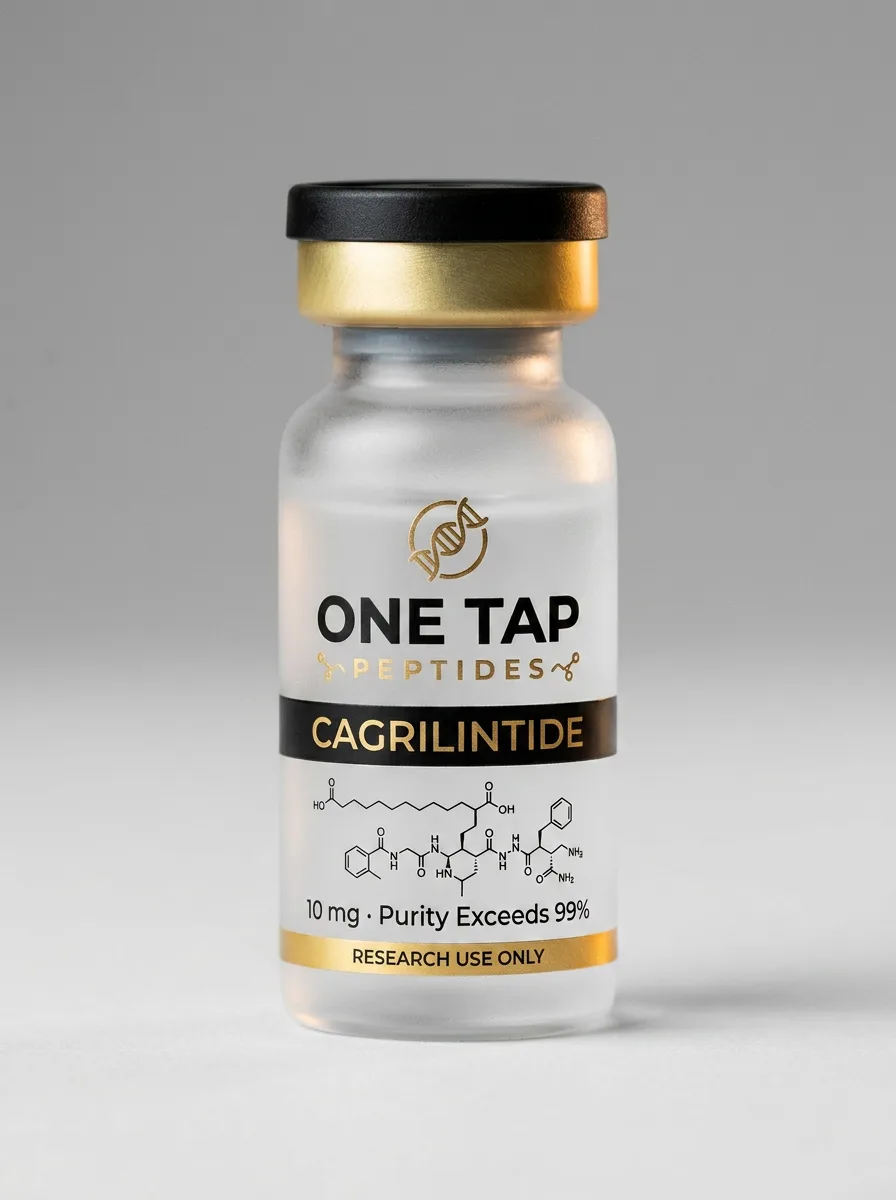
Cagrilintide is a long-acting analog of amylin, a pancreatic hormone that works through a separate but complementary pathway to GLP-1 in appetite and satiety signaling, making it a frequent subject of combination-pathway metabolic research.
Research Areas
- Studied for its role in amylin-receptor pathway activation
- Studied for complementary action alongside GLP-1-pathway research
- Studied for its potential role in satiety-signaling research
Batch & Testing
Proof, not promises.
COA ships with every order
The Certificate of Analysis for your batch ships in the box with your order. We're publishing the certificate archive here next.
Research Deep-Dive
How it works.
Research Deep-Dive
How it works.
Cagrilintide is a long-acting synthetic analog of amylin, a hormone the pancreas co-releases with insulin. It's engineered for extended circulating time compared with native amylin, positioning it as a once-weekly research candidate examined alongside GLP-1-class compounds.
Amylin receptor activation is studied for slowing gastric emptying and signaling satiety centers in the brain, a mechanism that runs in parallel to — rather than through — the GLP-1 receptor pathway. Because the two pathways are complementary, Cagrilintide is frequently studied paired with a GLP-1 agonist such as Semaglutide.
Use Cases Explored
- Studied for amylin-receptor pathway activation
- Studied for complementary action alongside GLP-1-pathway research
- Studied for its potential role in satiety-signaling research
- Studied in combination protocols with GLP-1-class compounds
The Evidence
Clinical trial programs
Cagrilintide has been examined in formal clinical trials, largely in combination with Semaglutide, for body-weight-related outcomes in defined study populations — much of the publicly available data centers on combination rather than monotherapy use.
Amylin-pathway mechanistic research
The broader amylin-receptor mechanism has a longer research history than Cagrilintide itself, which is a newer, longer-acting analog built on that foundation.
Specifications
The essentials.
Specifications
The essentials.
- Form
- Lyophilized powder
- Storage
- Store in a cool, dry place. Refrigerate at 2–8°C after reconstitution
- Shelf life
- 24 months lyophilized; 4–6 weeks refrigerated after reconstitution
- Solubility
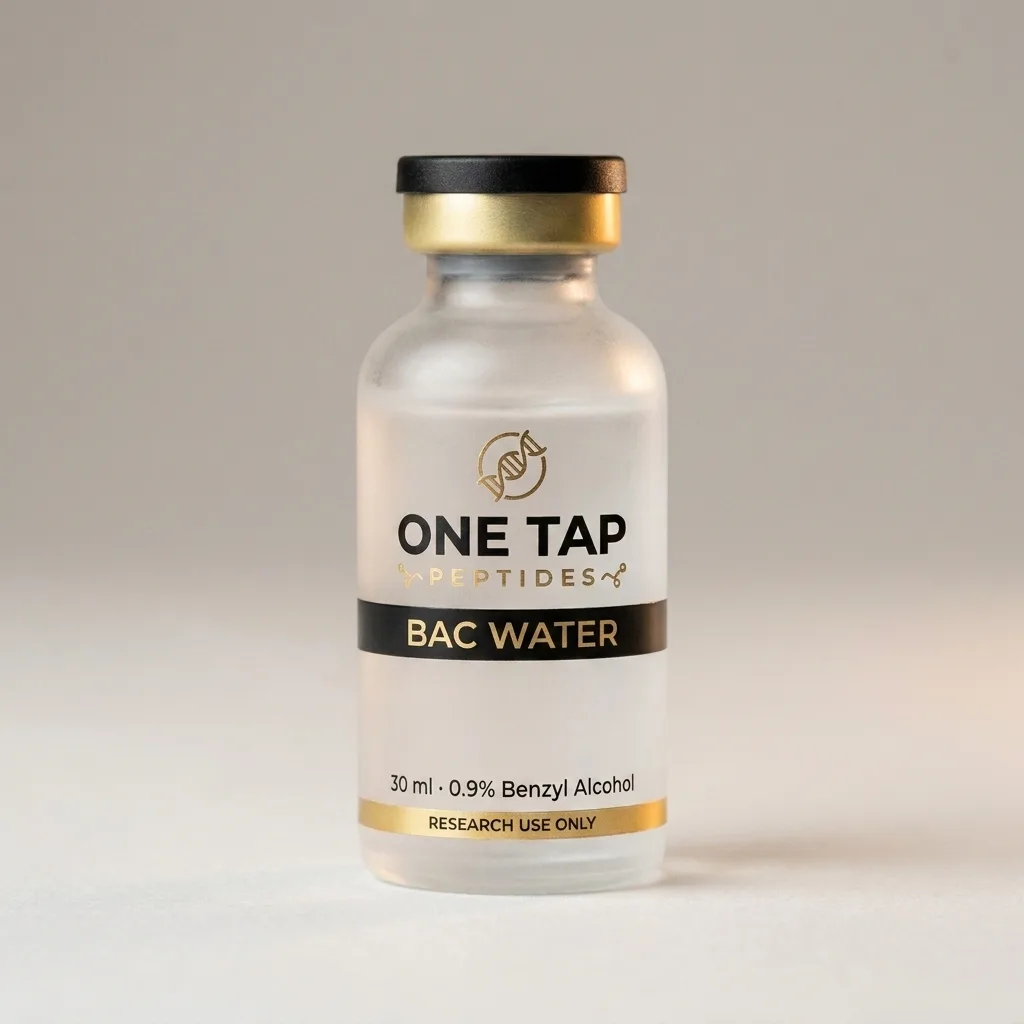
- Reconstitute with bacteriostatic water
- Vial capacity
- 3 ml glass vial
Questions
Cagrilintide FAQ
Questions
Cagrilintide FAQ
What is Cagrilintide studied for?+
Cagrilintide is studied as a long-acting amylin analog, examined for its role in amylin-receptor activation and satiety-signaling research alongside GLP-1-pathway compounds.
Why is Cagrilintide often studied alongside GLP-1 compounds like Semaglutide?+
Amylin and GLP-1 act through separate but complementary appetite-signaling pathways, which is why researchers frequently examine them together — we also carry a Cagrilintide/Semaglutide blend for combined-pathway research.
How should Cagrilintide be handled and stored?+
It ships as a lyophilized powder. Reconstitute with bacteriostatic water and refrigerate at 2–8°C after mixing — good for roughly 4–6 weeks refrigerated, or up to 24 months unreconstituted in a cool, dry place.
What testing does this batch undergo?+
Every batch is HPLC tested for purity and identity, plus sterility and endotoxin screening, before release. The Certificate of Analysis for that lot ships with your order.
Metabolic
Cagrilintide
Amylin analog
A long-acting amylin analog studied for appetite-pathway research alongside GLP-1 compounds.
Size
Multi-vial pricing
Per-vial pricing, applied automatically. No code needed.
Ships within 24 hours · $20 flat shipping · Free over $200
Pay simply and securely via Zelle or Apple Pay (Apple Cash) — instructions are emailed the moment you order. How payment works →
Satisfaction guarantee — if a batch's documentation doesn't check out, contact support and we'll make it right.
All products sold by One Tap Peptides are intended for laboratory research use only. Not for human consumption. Not intended for animal use. Not intended for diagnostic or therapeutic purposes.
Related