





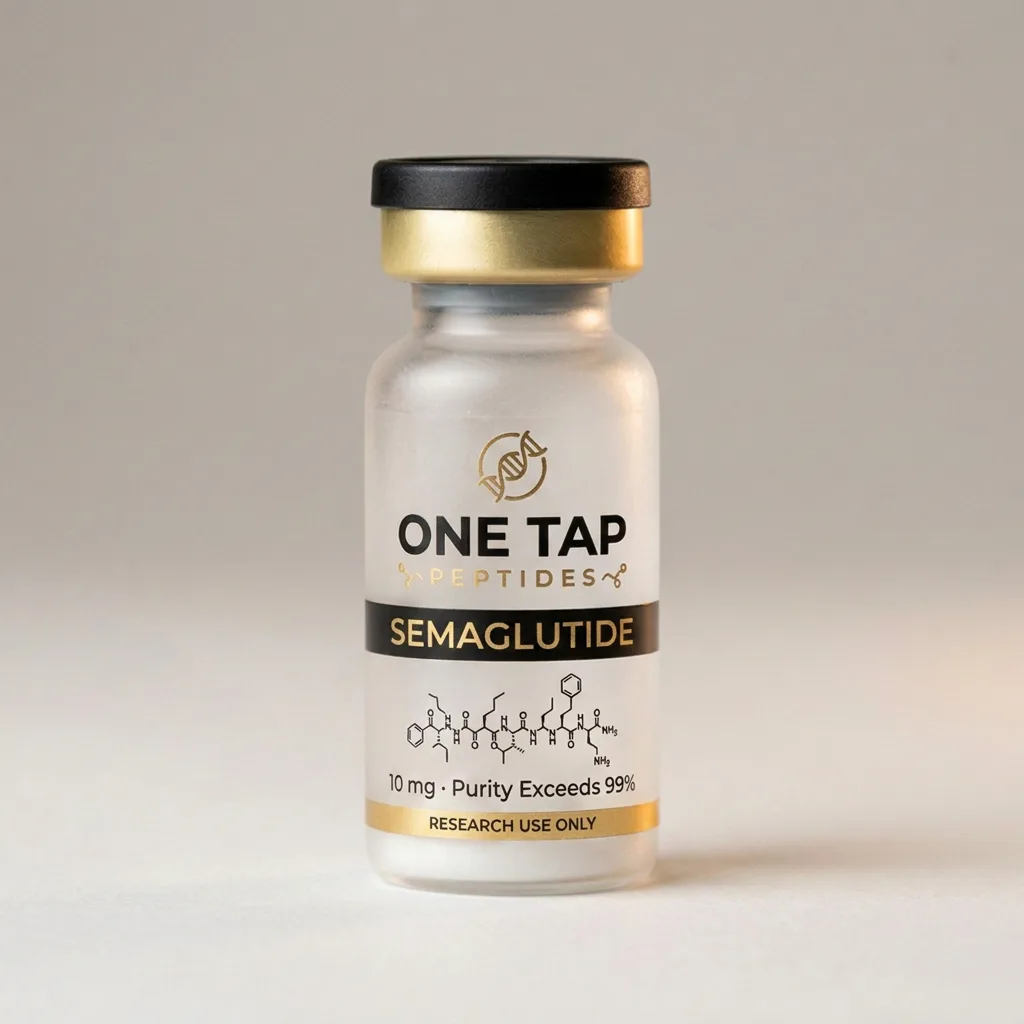
Overview
What it is.
Semaglutide is a GLP-1 receptor agonist that mimics a naturally occurring gut hormone involved in appetite regulation and blood-sugar control, making it one of the most extensively studied compounds in metabolic research today.
Research Areas
- Studied for its role in appetite regulation and satiety
- Studied for its role in body-composition research alongside nutrition and training variables
- Studied for its role in blood-sugar regulation
Batch & Testing
Proof, not promises.
COA ships with every order
The Certificate of Analysis for your batch ships in the box with your order. We're publishing the certificate archive here next.
Research Deep-Dive
How it works.
Research Deep-Dive
How it works.
Semaglutide is a GLP-1 receptor agonist — a lab-made version of a gut hormone that signals fullness to the brain and slows how quickly the stomach empties. It's the active ingredient behind the branded medications Ozempic and Wegovy, and it's one of the most extensively studied medications in modern metabolic medicine.
Semaglutide binds the same receptor as the body's natural GLP-1 hormone, which is released after eating. Activating that receptor increases insulin release when blood sugar is high, slows gastric emptying, and acts on appetite centers in the brain to reduce hunger signaling — the combination is what drives both its blood-sugar and weight effects.
Use Cases Explored
- Programs built around appetite regulation and reduced food noise
- Structured weight-management plans paired with nutrition and activity coaching
- Blood-sugar management protocols in type 2 diabetes care
- Longer-term metabolic health maintenance under provider supervision
The Evidence
STEP trial program (Phase 3, thousands of participants)
The STEP 1 trial found 14.9% average weight loss at 68 weeks on 2.4 mg semaglutide versus 2.4% on placebo. STEP 5 showed the effect held through two years (-15.2% vs -2.6%), and the STEP 1 extension showed weight was regained after stopping the medication — the effect requires continued treatment.
STEP UP trial (2025, higher-dose formulation)
A newer 7.2 mg dose produced roughly 21% average weight loss at 72 weeks, outperforming the standard 2.4 mg dose — still an investigational dose level, not the FDA-approved standard.
Real-world limits
Gastrointestinal side effects (nausea, diarrhea) were more common on semaglutide than placebo across trials, generally mild-to-moderate. Results vary by individual, and effects are not guaranteed to replicate trial averages.
Specifications
The essentials.
Specifications
The essentials.
- Form
- Lyophilized powder
- Storage
- Store in a cool, dry place. Refrigerate at 2–8°C after reconstitution
- Shelf life
- 24 months lyophilized; 4–6 weeks refrigerated after reconstitution
- Solubility
- Reconstitute with bacteriostatic water
- Vial capacity
- 3 ml glass vial
Questions
Semaglutide FAQ
Questions
Semaglutide FAQ
What is Semaglutide studied for?+
Semaglutide is studied as a GLP-1 receptor agonist that mimics a naturally occurring gut hormone, examined in research settings for its role in appetite regulation, satiety signaling, and blood-sugar-related pathways.
How does Semaglutide differ from Tirzepatide, also sold here?+
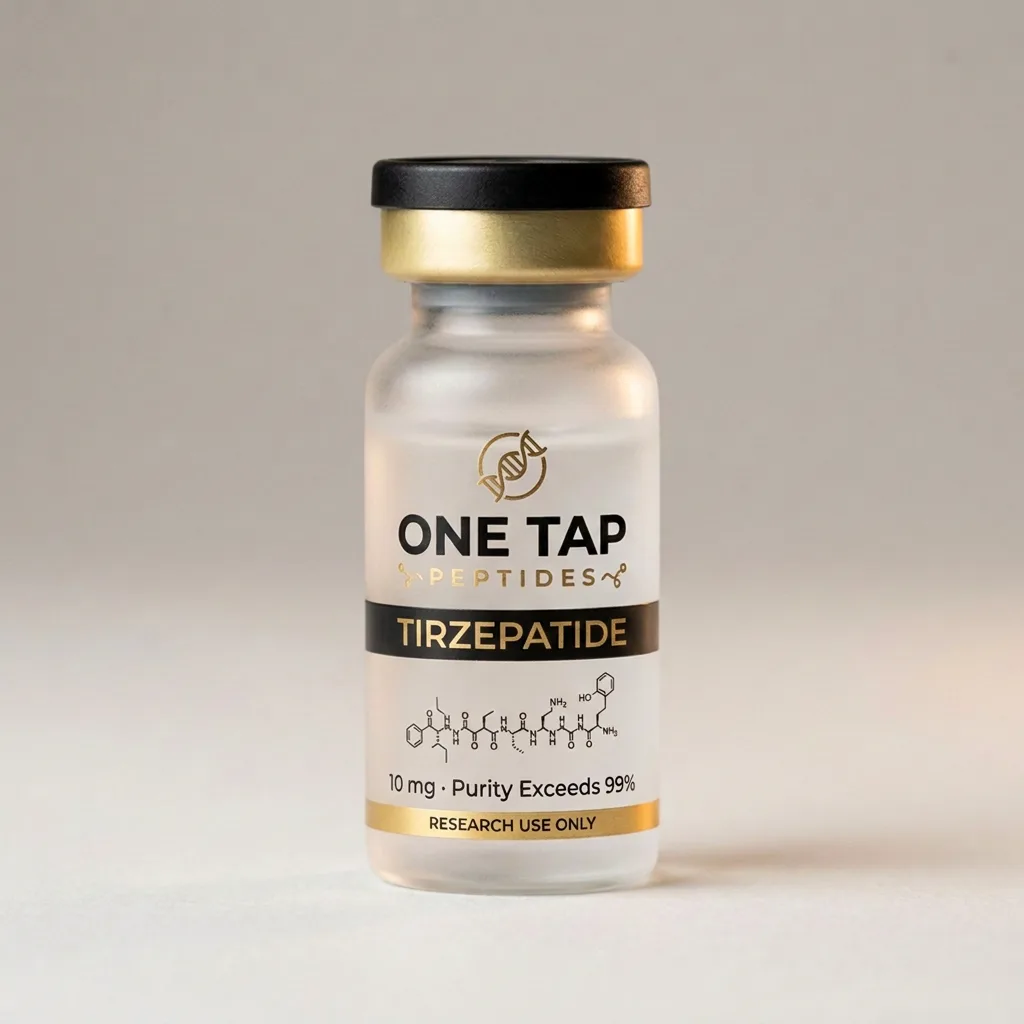
Semaglutide is a single-pathway GLP-1 agonist, while Tirzepatide acts on two pathways (GLP-1 and GIP) — researchers use the two as comparators when studying single- versus dual-agonist metabolic signaling.
How should Semaglutide be handled and stored?+
It ships as a lyophilized powder. Reconstitute with bacteriostatic water and refrigerate at 2–8°C after mixing — good for roughly 4–6 weeks refrigerated, or up to 24 months unreconstituted in a cool, dry place.
What testing does this batch undergo?+
Every batch is HPLC tested for purity and identity, plus sterility and endotoxin screening, before release. The Certificate of Analysis for that lot ships with your order.
Metabolic
Semaglutide
GLP-1
A GLP-1 receptor agonist studied for appetite regulation and metabolic-pathway research.
Size
Multi-vial pricing
Per-vial pricing, applied automatically. No code needed.
Ships within 24 hours · $20 flat shipping · Free over $200
Pay simply and securely via Zelle or Apple Pay (Apple Cash) — instructions are emailed the moment you order. How payment works →
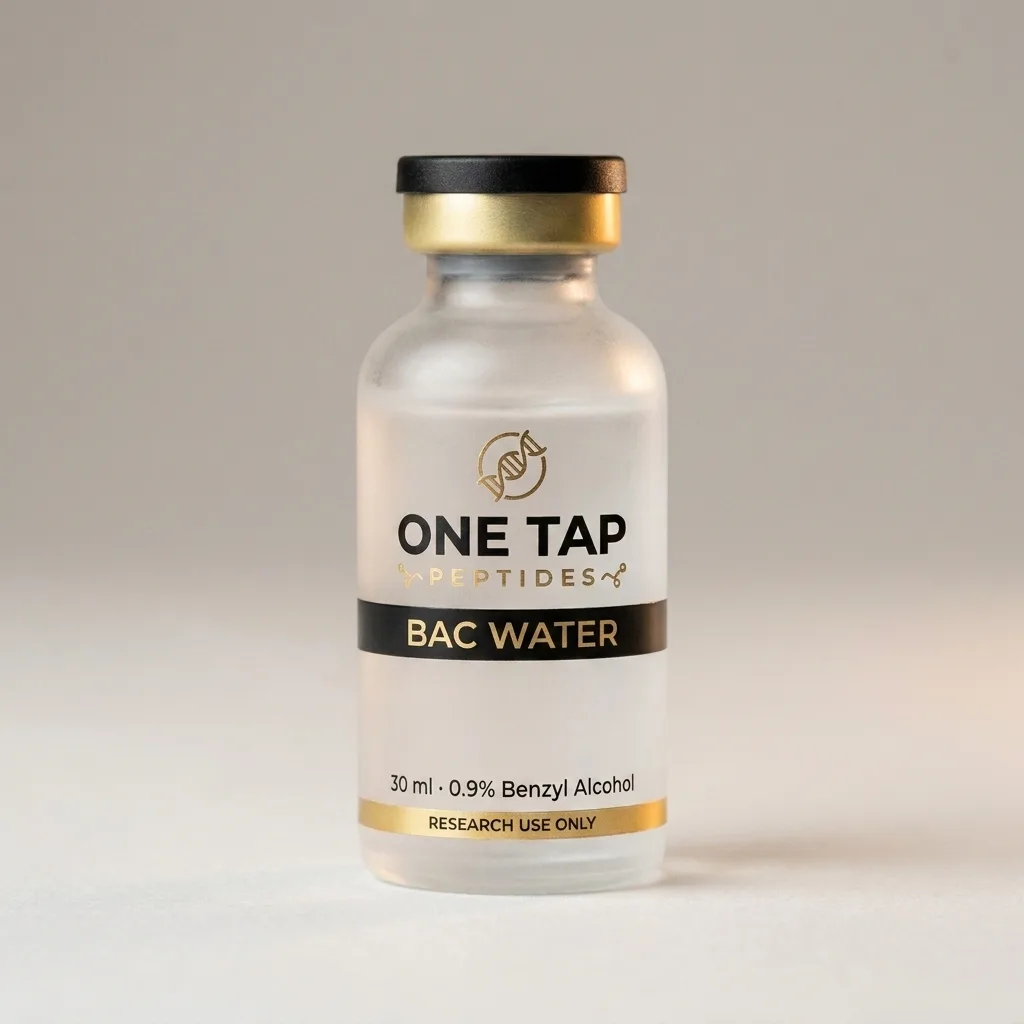
Satisfaction guarantee — if a batch's documentation doesn't check out, contact support and we'll make it right.
All products sold by One Tap Peptides are intended for laboratory research use only. Not for human consumption. Not intended for animal use. Not intended for diagnostic or therapeutic purposes.
Related