






Overview
What it is.
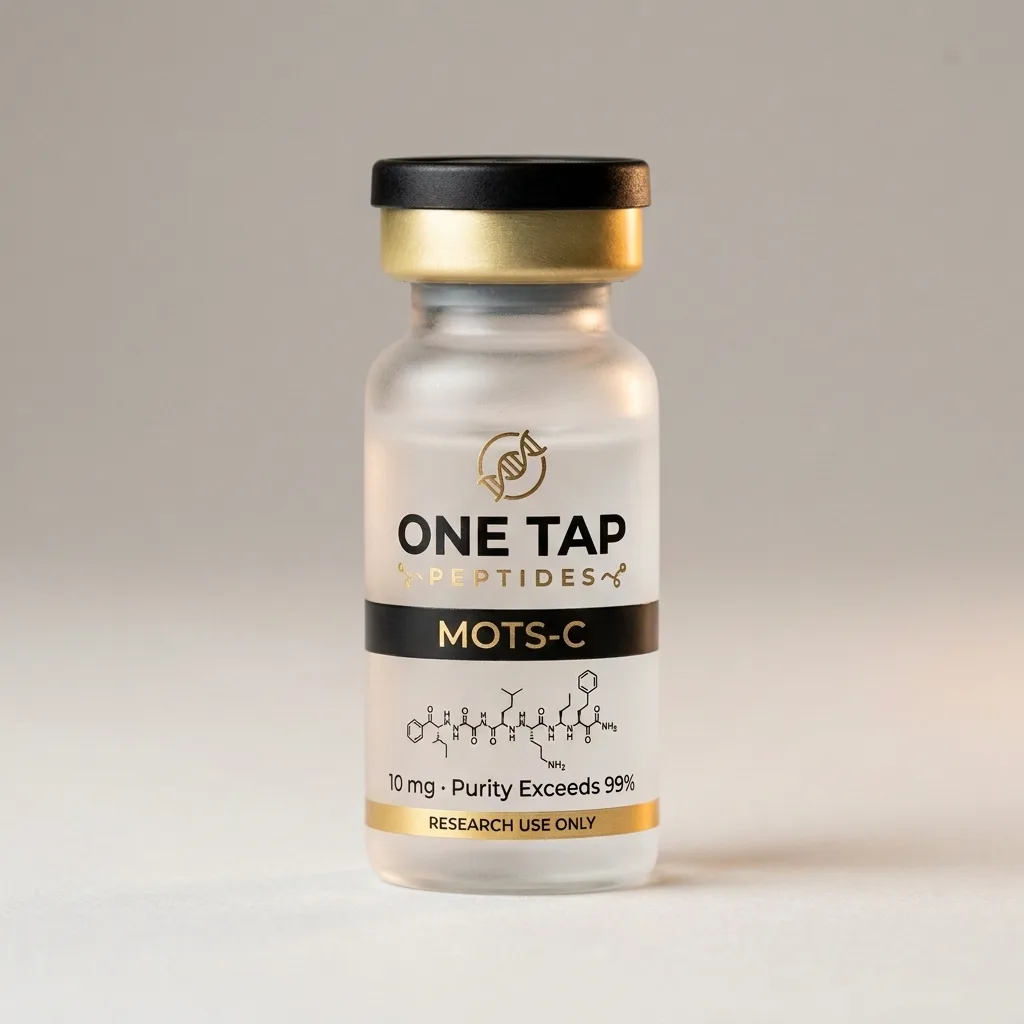
MOTS-c is a peptide encoded by mitochondrial DNA rather than the nuclear genome, which makes it a distinctive subject of metabolic research — particularly for how it may influence cellular energy use under metabolic stress such as exercise.
Research Areas
- Studied for its potential role in metabolic-regulation research
- Studied for its potential role in exercise-stress response research
- Studied for its potential role in insulin-sensitivity research
Batch & Testing
Proof, not promises.
COA ships with every order
The Certificate of Analysis for your batch ships in the box with your order. We're publishing the certificate archive here next.
Research Deep-Dive
How it works.
Research Deep-Dive
How it works.
MOTS-c is a peptide encoded by mitochondrial DNA rather than the cell's nuclear genome, which makes it biologically distinctive: it appears to act as a signal from the mitochondria (the cell's energy-producing structures) back to the rest of the cell during metabolic stress. It's a comparatively young area of peptide research relative to established metabolic medications.
MOTS-c is proposed to activate AMPK, the same cellular energy-sensing pathway engaged by exercise, and to translocate to the cell nucleus under metabolic stress to influence gene expression related to energy use and insulin sensitivity. Its full mechanism is still being mapped in ongoing research.
Use Cases Explored
- Academic research into mitochondrial-to-nuclear cellular signaling under metabolic stress
- Exercise-physiology research into AMPK-pathway activation
- Early-stage clinical research into insulin sensitivity in prediabetes
The Evidence
Preclinical diabetes research
Animal studies, including 2025 work in mouse models of type 1 and type 2 diabetes, have shown MOTS-c administration may reduce markers of pancreatic beta-cell aging — an early-stage mechanistic finding, not a human result.
Active Phase 2a human trial (ongoing, 2026)
A randomized, placebo-controlled trial is currently underway testing 12 weeks of MOTS-c in adults with prediabetes and overweight/obesity for effects on insulin sensitivity. Results are not yet published, so no efficacy claim can be made from it today.
Prior analog trial (CB4211)
A related MOTS-c analog showed safety and reduced liver-fat markers in a small Phase 1 trial, but that program's later development was discontinued — an example of how early positive signals in this class have not consistently advanced.
Specifications
The essentials.
Specifications
The essentials.
- Form
- Lyophilized powder
- Storage
- Store in a cool, dry place. Refrigerate at 2–8°C after reconstitution
- Shelf life
- 24 months lyophilized; 4–6 weeks refrigerated after reconstitution
- Solubility
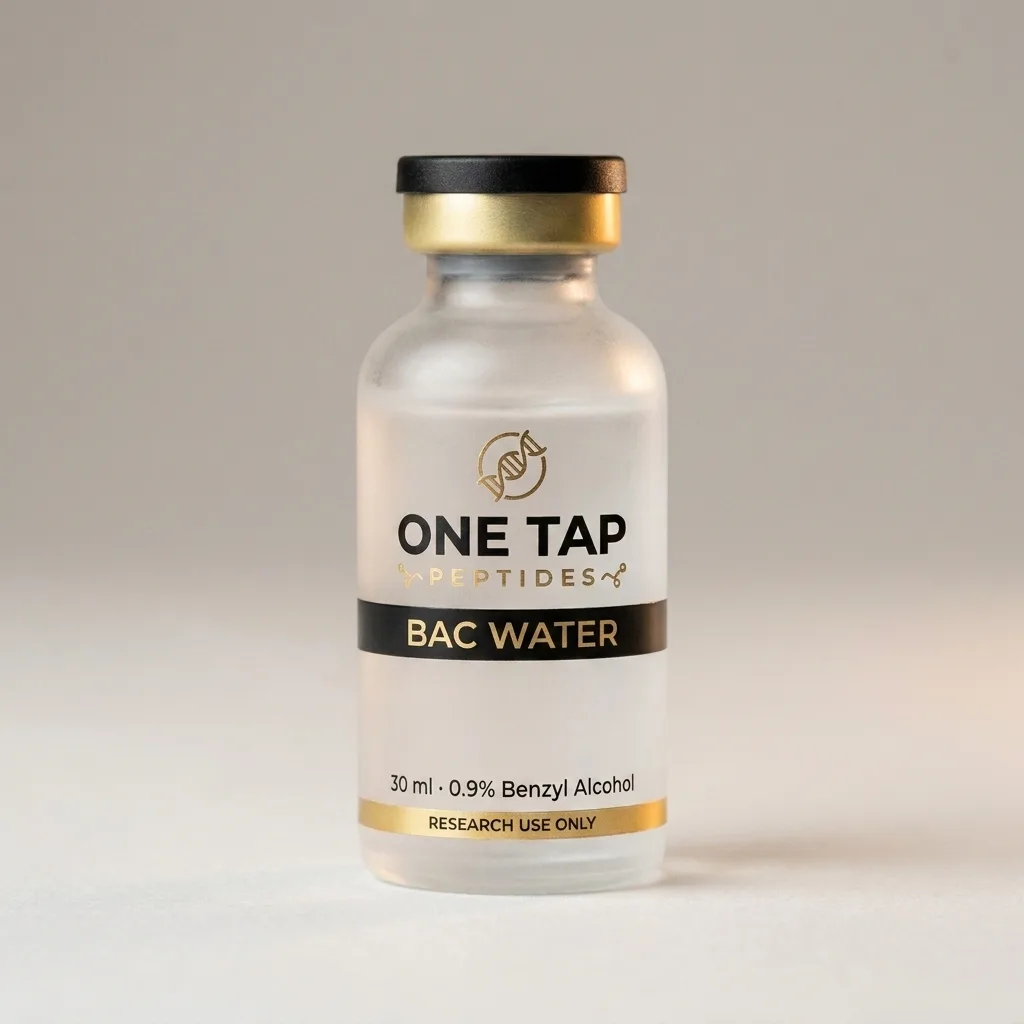
- Reconstitute with bacteriostatic water
- Vial capacity
- 3 ml glass vial
Questions
MOTS-c FAQ
Questions
MOTS-c FAQ
What is MOTS-c studied for?+
MOTS-c is studied as a mitochondrial-derived peptide, examined for its role in metabolic regulation, exercise-stress response, and insulin-sensitivity-related research pathways.
Why is MOTS-c described as 'mitochondrial-derived'?+
It's encoded by mitochondrial DNA rather than the nuclear genome, a distinctive origin studied for how it may relate to cellular energy use under metabolic stress such as exercise.
How should MOTS-c be handled and stored?+
It ships as a lyophilized powder. Reconstitute with bacteriostatic water and refrigerate at 2–8°C after mixing — good for roughly 4–6 weeks refrigerated, or up to 24 months unreconstituted in a cool, dry place.
What testing does this batch undergo?+
Every batch is HPLC tested for purity and identity, plus sterility and endotoxin screening, before release. The Certificate of Analysis for that lot ships with your order.
Metabolic
MOTS-c
A mitochondrial-derived peptide studied for its role in metabolic-regulation research.
Size
Multi-vial pricing
Per-vial pricing, applied automatically. No code needed.
Ships within 24 hours · $20 flat shipping · Free over $200
Pay simply and securely via Zelle or Apple Pay (Apple Cash) — instructions are emailed the moment you order. How payment works →
Satisfaction guarantee — if a batch's documentation doesn't check out, contact support and we'll make it right.
All products sold by One Tap Peptides are intended for laboratory research use only. Not for human consumption. Not intended for animal use. Not intended for diagnostic or therapeutic purposes.
Related