



Overview
What it is.
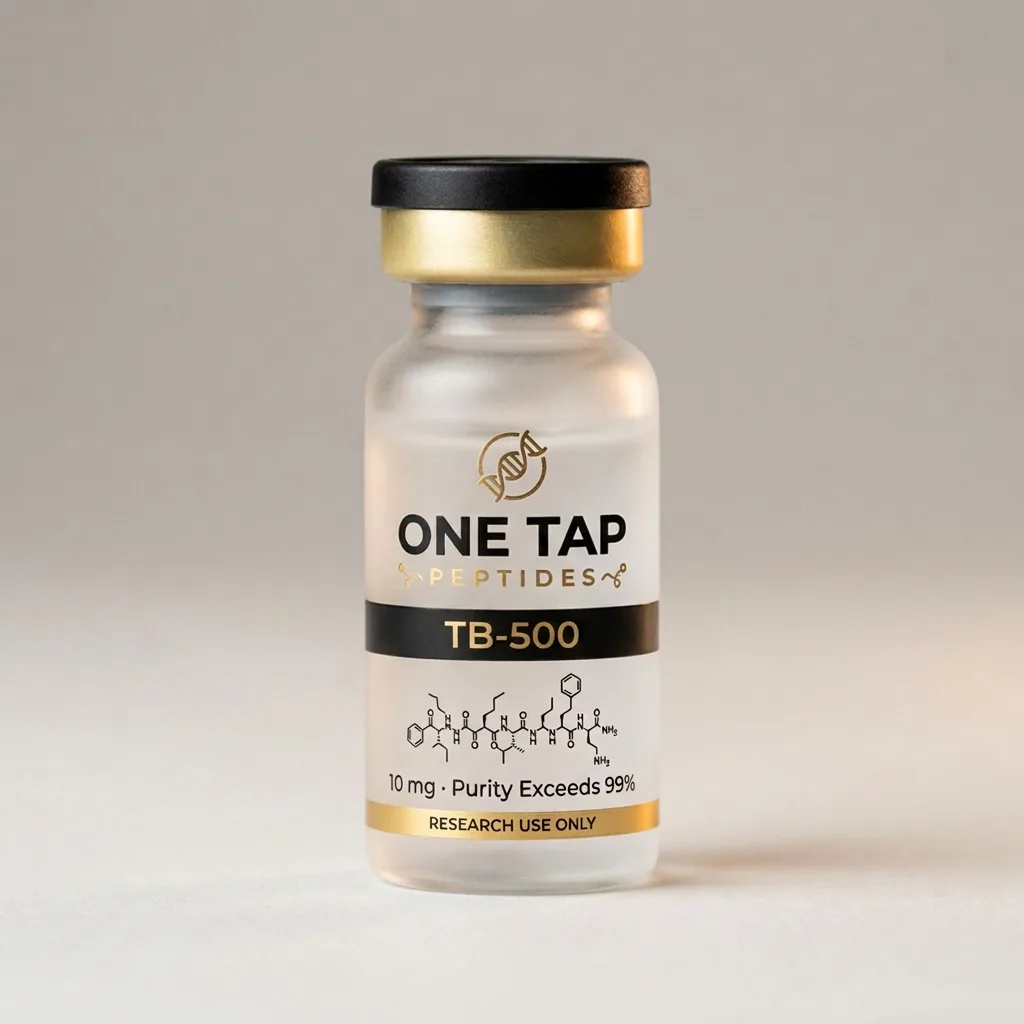
TB-500 is a synthetic version of Thymosin Beta-4, a protein the body produces naturally that plays a role in cell structure and movement. It draws research interest for its involvement in wound- and tissue-repair signaling.
Research Areas
- Studied for its potential role in wound-healing signaling
- Studied for its potential role in cell-migration research during tissue repair
- Studied for its interaction with actin, a structural protein in cells
Batch & Testing
Proof, not promises.
COA ships with every order
The Certificate of Analysis for your batch ships in the box with your order. We're publishing the certificate archive here next.
Research Deep-Dive
How it works.
Research Deep-Dive
How it works.
TB-500 is the name commonly used for injectable products marketed as a version of Thymosin Beta-4 (Tβ4), a protein the body produces naturally that plays a role in cell structure, movement, and wound-repair signaling. It's important to separate two things that get conflated: pharmaceutical-grade, regulated Tβ4 that has been through real clinical trials, and the unregulated "TB-500" injectable products sold online — those are not the same evidence base.
Thymosin Beta-4 binds actin, a structural protein that helps cells move, and is believed to support cell migration to wound sites, new blood vessel formation, and reduced inflammation — mechanisms studied in both topical dermal-healing research and, in a separate program, corneal-healing research.
Use Cases Explored
- Formal drug-development research into chronic wound healing (venous and pressure ulcers)
- Formal drug-development research into corneal wound healing
- Preclinical research into cell-migration and actin-binding mechanisms
The Evidence
Phase 1 safety trial (topical Tβ4, 15 healthy volunteers)
A 28-day topical dosing trial found no significant adverse events and good tolerability — an early safety signal, not an efficacy result.
Phase 2 chronic-wound trials (topical Tβ4)
In venous stasis and pressure ulcer patients, topical Tβ4 accelerated healing time in patients who healed and showed roughly 25% complete wound closure at 3 months in one venous-ulcer trial — described by researchers as modest by pharmaceutical standards, not a dramatic effect.
Most advanced program: corneal healing
A Phase 3 trial (SEER-1) in neurotrophic keratopathy found complete corneal healing in 60% of patients on Tβ4 versus 12.5% on placebo — the strongest clinical data behind the molecule, but for corneal injury specifically, not for the tendon/muscle/ligament uses TB-500 is typically marketed for online.
Critical caveat on injectable TB-500
The clinical trial data above is for regulated, pharmaceutical-grade topical Tβ4 formulations. Injectable products sold as "TB-500" have not been tested in any completed Phase 2 or Phase 3 trial for tendon, muscle, or ligament injury and carry no equivalent regulatory oversight or safety data.
Specifications
The essentials.
Specifications
The essentials.
- Form
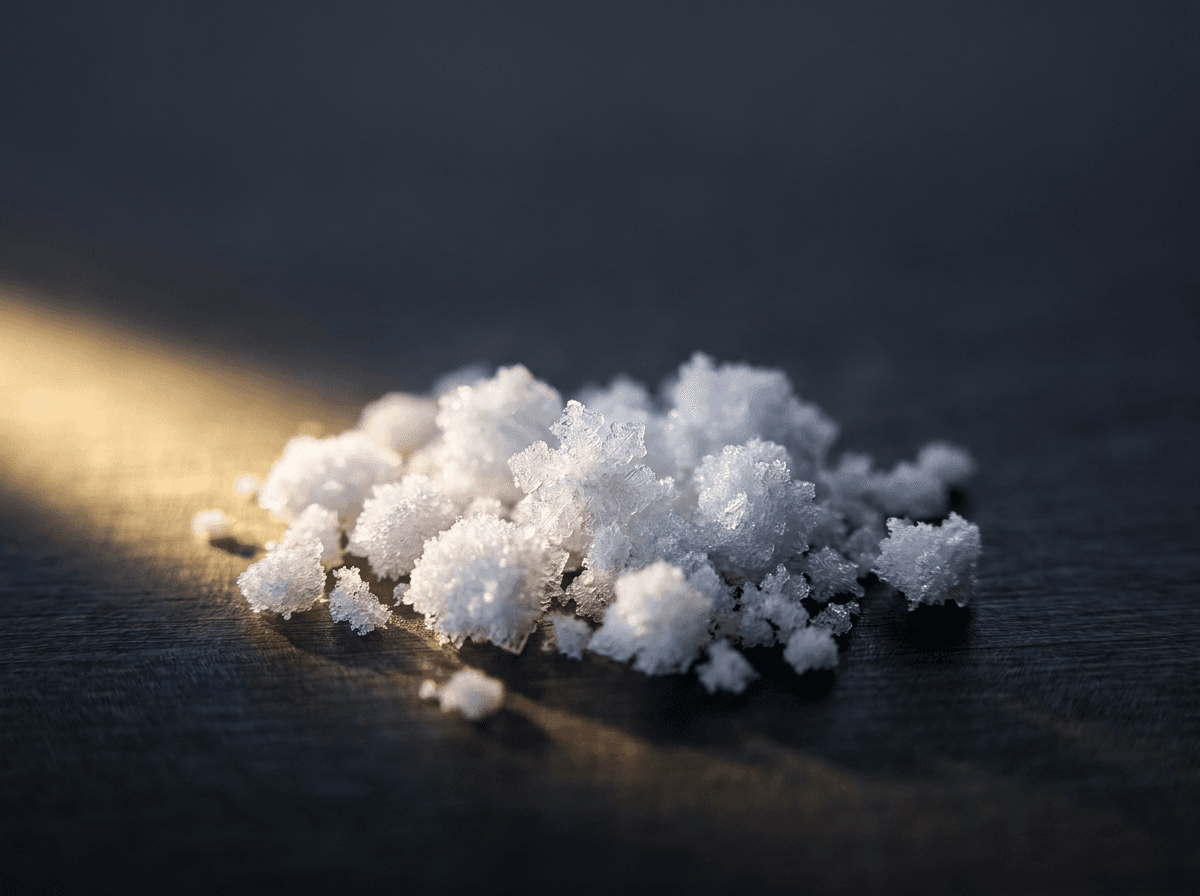
- Lyophilized powder
- Storage
- Store in a cool, dry place. Refrigerate at 2–8°C after reconstitution
- Shelf life
- 24 months lyophilized; 4–6 weeks refrigerated after reconstitution
- Solubility
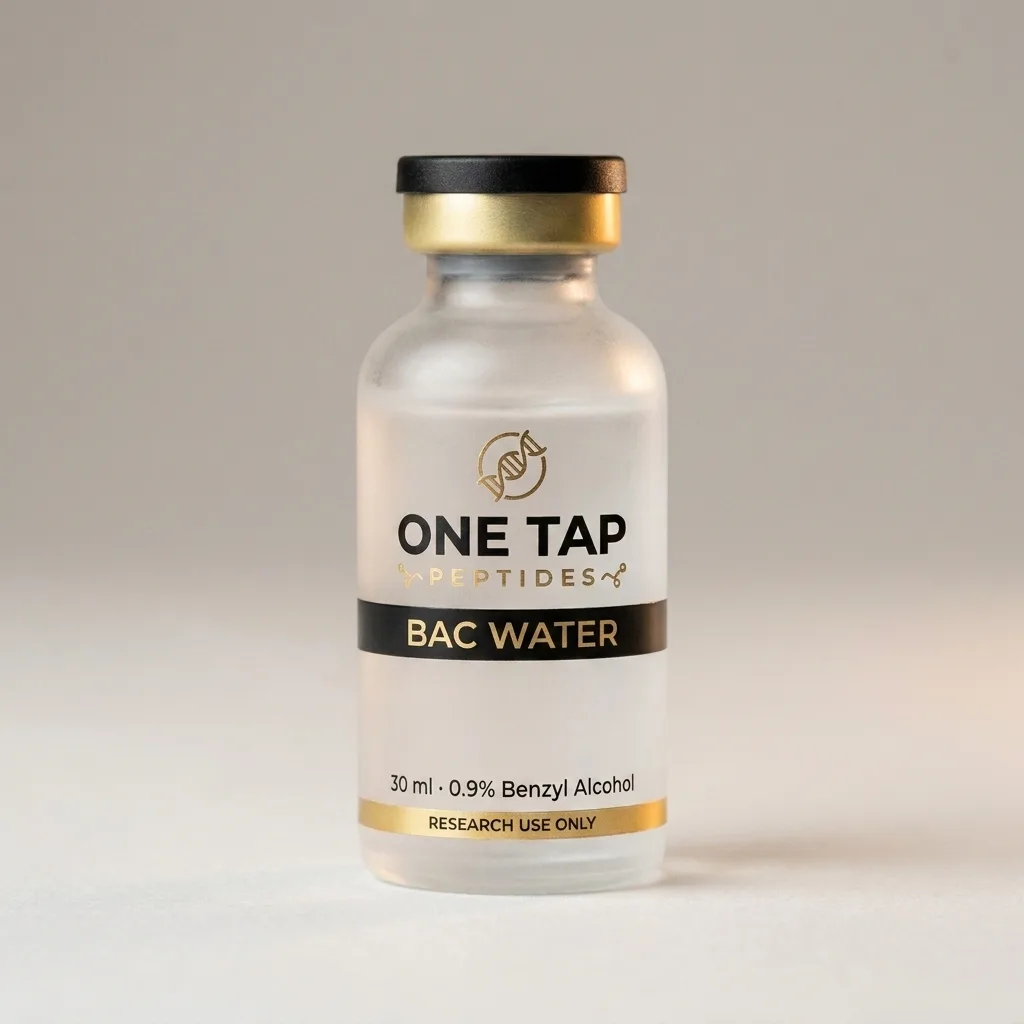
- Reconstitute with bacteriostatic water
- Vial capacity
- 3 ml glass vial
Questions
TB-500 FAQ
Questions
TB-500 FAQ
What is TB-500 studied for?+
TB-500 is studied for its involvement in wound- and tissue-repair signaling, examined in research models for cell-migration activity and interaction with actin, a structural protein in cells.
What is TB-500 synthesized from?+
It's a synthetic version of Thymosin Beta-4 (Tβ4), a protein the body produces naturally that plays a role in cell structure and movement.
How should TB-500 be handled and stored?+
It ships as a lyophilized powder. Reconstitute with bacteriostatic water and refrigerate at 2–8°C after mixing — good for roughly 4–6 weeks refrigerated, or up to 24 months unreconstituted in a cool, dry place.
What testing does this batch undergo?+
Every batch is HPLC tested for purity and identity, plus sterility and endotoxin screening, before release. The Certificate of Analysis for that lot ships with your order.
Tissue Repair
TB-500
Thymosin Beta-4, Tβ4
A synthetic version of a naturally occurring repair-signaling protein, studied in tissue research.
Size
Multi-vial pricing
Per-vial pricing, applied automatically. No code needed.
Ships within 24 hours · $20 flat shipping · Free over $200
Pay simply and securely via Zelle or Apple Pay (Apple Cash) — instructions are emailed the moment you order. How payment works →
Satisfaction guarantee — if a batch's documentation doesn't check out, contact support and we'll make it right.
All products sold by One Tap Peptides are intended for laboratory research use only. Not for human consumption. Not intended for animal use. Not intended for diagnostic or therapeutic purposes.
Related