

Overview
What it is.
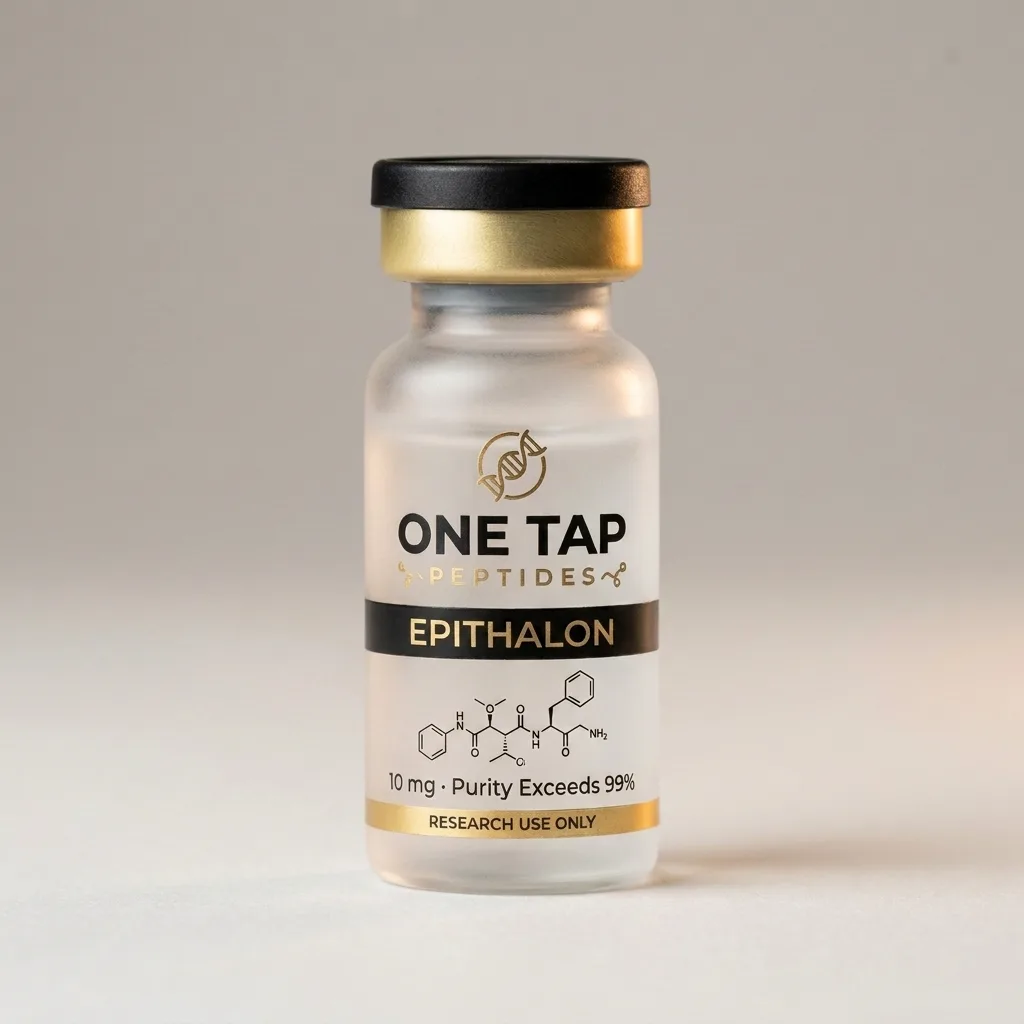
Epithalon is a synthetic four-amino-acid peptide developed from pineal-gland research, studied mainly in the context of cellular aging and telomerase-related signaling. Most supporting research comes from animal-model studies.
Research Areas
- Studied for its potential role in telomerase-related cellular signaling
- Studied in animal models for a potential role in lifespan-related-marker research
- Studied for its potential role in pineal-gland and circadian-signaling research
Batch & Testing
Proof, not promises.
COA ships with every order
The Certificate of Analysis for your batch ships in the box with your order. We're publishing the certificate archive here next.
Research Deep-Dive
How it works.
Research Deep-Dive
How it works.
Epithalon (also spelled Epitalon) is a short, four-amino-acid synthetic peptide developed by Russian researchers as a simplified analog of a natural pineal-gland extract. It's studied mainly in the context of cellular aging, telomerase activity, and pineal/circadian signaling.
In cultured human cells, Epithalon has been reported to induce expression of the telomerase catalytic subunit and extend the number of times treated fibroblasts can divide before senescence — pointing to a possible role in telomere-related cellular aging pathways, though the human-level significance of that mechanism remains unestablished.
Use Cases Explored
- Studied for a potential role in telomerase-related cellular signaling
- Studied in animal models for lifespan-related markers
- Studied for a potential role in pineal-gland and circadian-related signaling
The Evidence
In vitro human fibroblast studies (Khavinson lab, 2003–2004)
Foundational cell-culture studies from the peptide's original Russian research group reported that Epithalon induced telomerase activity and extended fibroblast lifespan in culture, but the original papers report largely qualitative findings without full statistical detail.
Independent replication (2025, Brunel University London)
A 2025 study by a research group unaffiliated with the original developers reported that Epithalon increased telomere length in human cell lines — one of the first independent replications of the mechanism, though still a cell-culture (not human-body) result.
Animal lifespan studies
Separate animal studies report extended lifespan in flies and rats and reduced age-related chromosomal abnormalities in mice, but rodent lifespan extension does not reliably predict human outcomes.
Human clinical trial data — largely absent independently
No Phase 2 or Phase 3 controlled human efficacy trial has been published in an internationally indexed peer-reviewed journal. Human outcome claims (telomere length, mortality) trace almost entirely back to the original Russian research group and have not been independently replicated in controlled human trials.
Specifications
The essentials.
Specifications
The essentials.
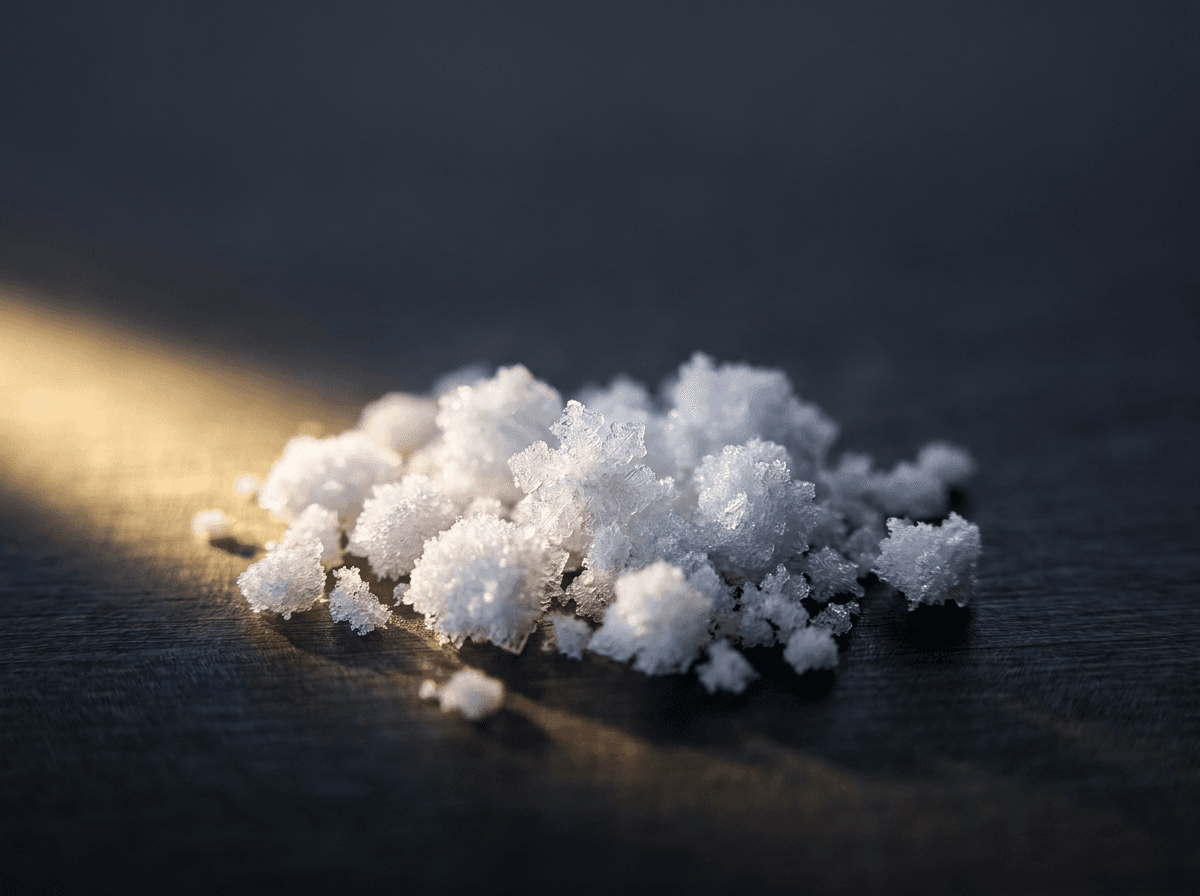
- Form
- Lyophilized powder
- Storage
- Store in a cool, dry place. Refrigerate at 2–8°C after reconstitution
- Shelf life
- 24 months lyophilized; 4–6 weeks refrigerated after reconstitution
- Solubility
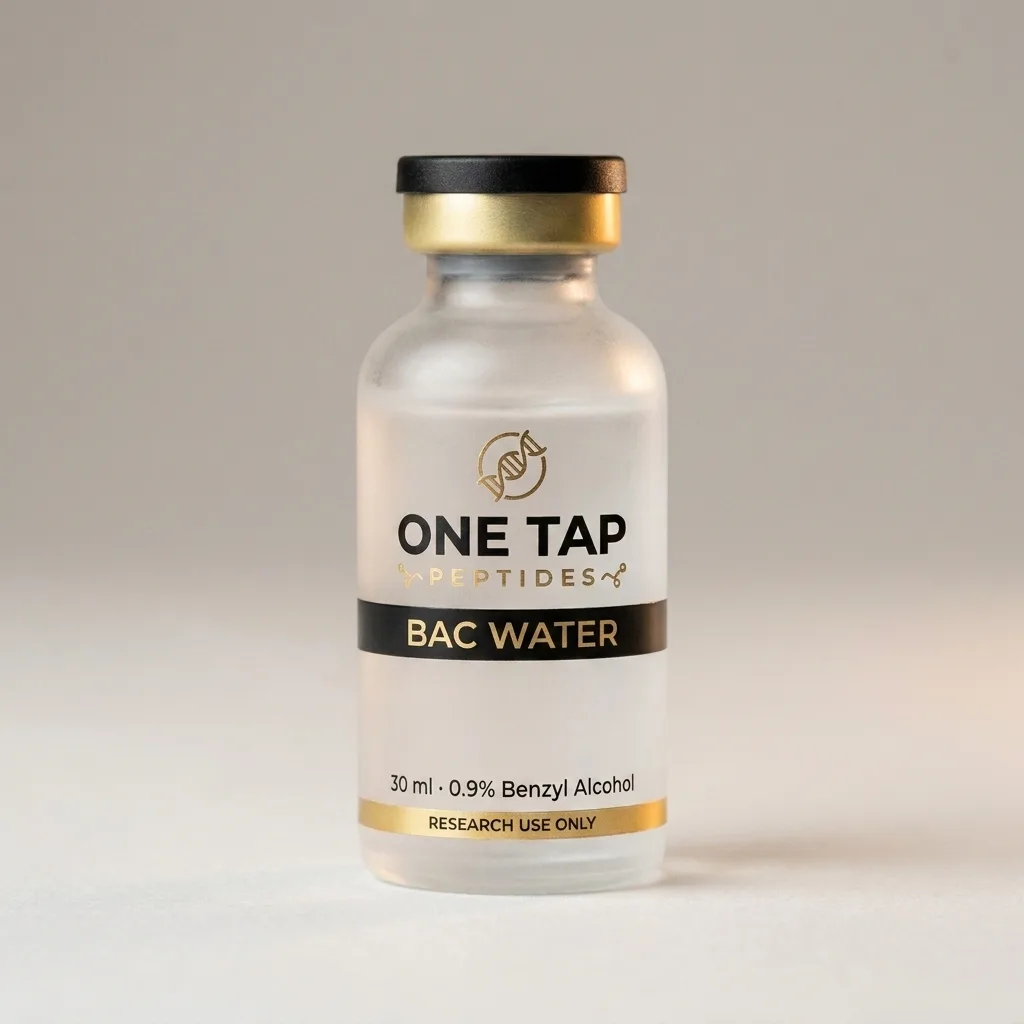
- Reconstitute with bacteriostatic water
- Vial capacity
- 3 ml glass vial
Questions
Epithalon FAQ
Questions
Epithalon FAQ
What is Epithalon studied for?+
Epithalon is studied mainly in cellular-aging research, examined for a possible role in telomerase-related signaling and pineal-gland and circadian-signaling pathways.
How strong is the human research base for Epithalon?+
It's honestly thin — most supporting research comes from animal-model studies, with far less human-focused literature than better-established compounds in this catalog.
How should Epithalon be handled and stored?+
It ships as a lyophilized powder. Reconstitute with bacteriostatic water and refrigerate at 2–8°C after mixing — good for roughly 4–6 weeks refrigerated, or up to 24 months unreconstituted in a cool, dry place.
What testing does this batch undergo?+
Every batch is HPLC tested for purity and identity, plus sterility and endotoxin screening, before release. The Certificate of Analysis for that lot ships with your order.
Cellular & Longevity
Epithalon
Epitalon
A short synthetic peptide studied in cellular-aging research for a role tied to telomerase signaling.
Size
Multi-vial pricing
Per-vial pricing, applied automatically. No code needed.
Ships within 24 hours · $20 flat shipping · Free over $200
Pay simply and securely via Zelle or Apple Pay (Apple Cash) — instructions are emailed the moment you order. How payment works →
Satisfaction guarantee — if a batch's documentation doesn't check out, contact support and we'll make it right.
All products sold by One Tap Peptides are intended for laboratory research use only. Not for human consumption. Not intended for animal use. Not intended for diagnostic or therapeutic purposes.
Related