
Overview
What it is.
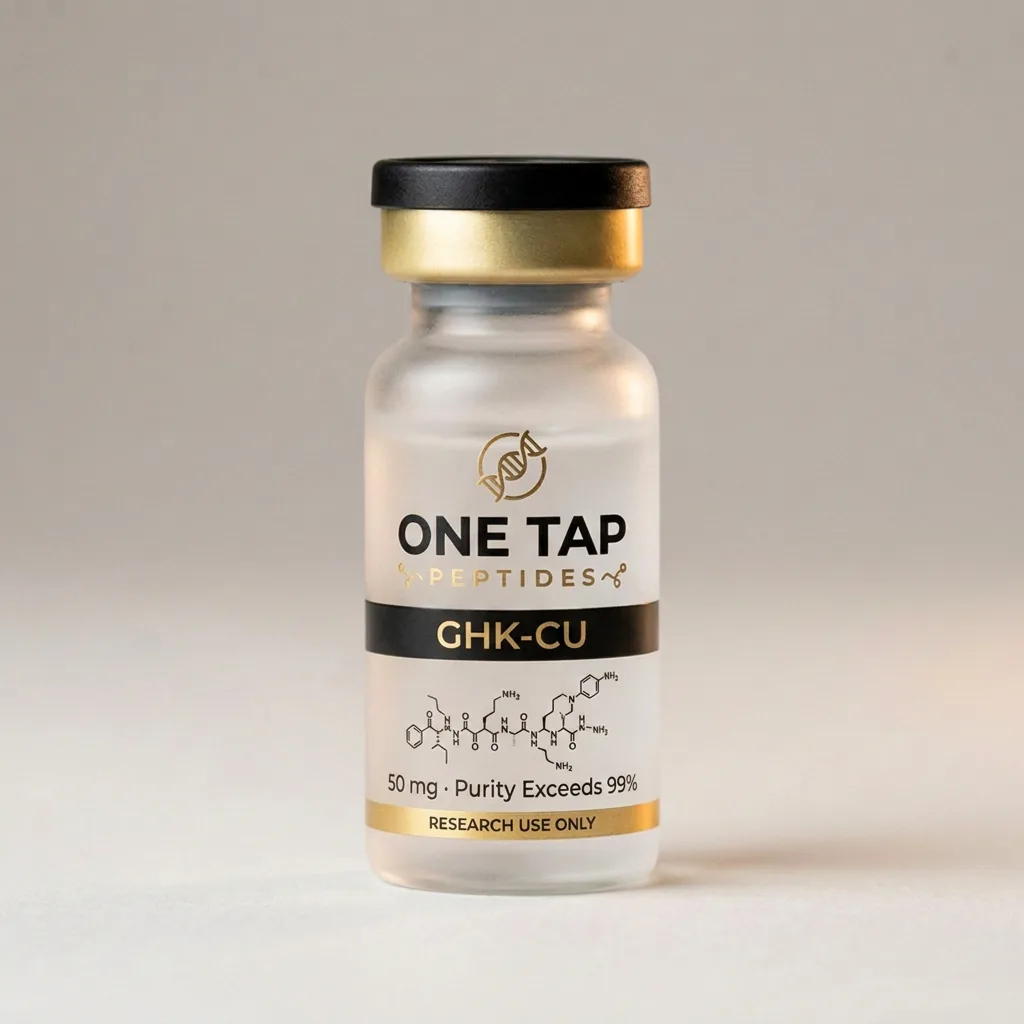
GHK-Cu is a copper-binding peptide the body produces naturally, with levels that decline with age. It is a heavily studied compound in skin- and tissue-repair-signaling research, available in both topical and reconstituted-vial research formats.
Research Areas
- Studied for its potential role in skin-firmness and elasticity research
- Studied for its potential role in the skin's natural repair-signaling processes
- Studied for its potential role in collagen-related signaling research
Batch & Testing
Proof, not promises.
COA ships with every order
The Certificate of Analysis for your batch ships in the box with your order. We're publishing the certificate archive here next.
Research Deep-Dive
How it works.
Research Deep-Dive
How it works.
GHK-Cu is a small copper-binding peptide first identified in human plasma, where it occurs naturally and declines steadily with age. It's one of the more established compounds in provider-guided skin and repair protocols, compounded in both topical and injectable forms.
Copper is essential to many of the enzymatic reactions involved in tissue remodeling, and GHK-Cu is thought to work by delivering and stabilizing copper at repair sites, where it interacts with signaling pathways involved in collagen production, blood-vessel formation, and inflammation regulation.
Use Cases Explored
- Studied for a potential role in skin firmness and visible signs of aging
- Studied for a potential role in supporting the skin's own repair processes after procedures
- Studied for a potential role in collagen-related signaling pathways
- Studied topically as an ingredient in provider-dispensed skincare formulations
The Evidence
Placebo-controlled wound trials (small, older)
Small clinical trials in diabetic ulcers and post-surgical wounds found faster wound closure and lower infection rates with topical GHK-Cu gel versus placebo, though results varied by concentration — one trial in venous stasis ulcers found no benefit over placebo.
CO2 laser-resurfacing recovery study
A published trial evaluated topical copper-tripeptide complex on skin recovering from laser resurfacing and reported faster recovery of skin barrier function versus a comparator, though the study was small and industry-affiliated.
Ongoing proof-of-concept trial (unpublished)
A current placebo-controlled study is testing topical GHK-Cu gel on standardized punch-biopsy wounds in healthy adults; as of this writing it has not reported results, so newer, better-controlled human data is still pending.
Cosmetic/anti-aging literature
More recent reviews focus heavily on wrinkle and elasticity outcomes rather than acute wound healing, and much of that literature is small-scale or industry-funded rather than large independent RCTs.
Specifications
The essentials.
Specifications
The essentials.
- Form
- Lyophilized powder
- Storage
- Store in a cool, dry place. Refrigerate at 2–8°C after reconstitution
- Shelf life
- 24 months lyophilized; 4–6 weeks refrigerated after reconstitution
- Solubility
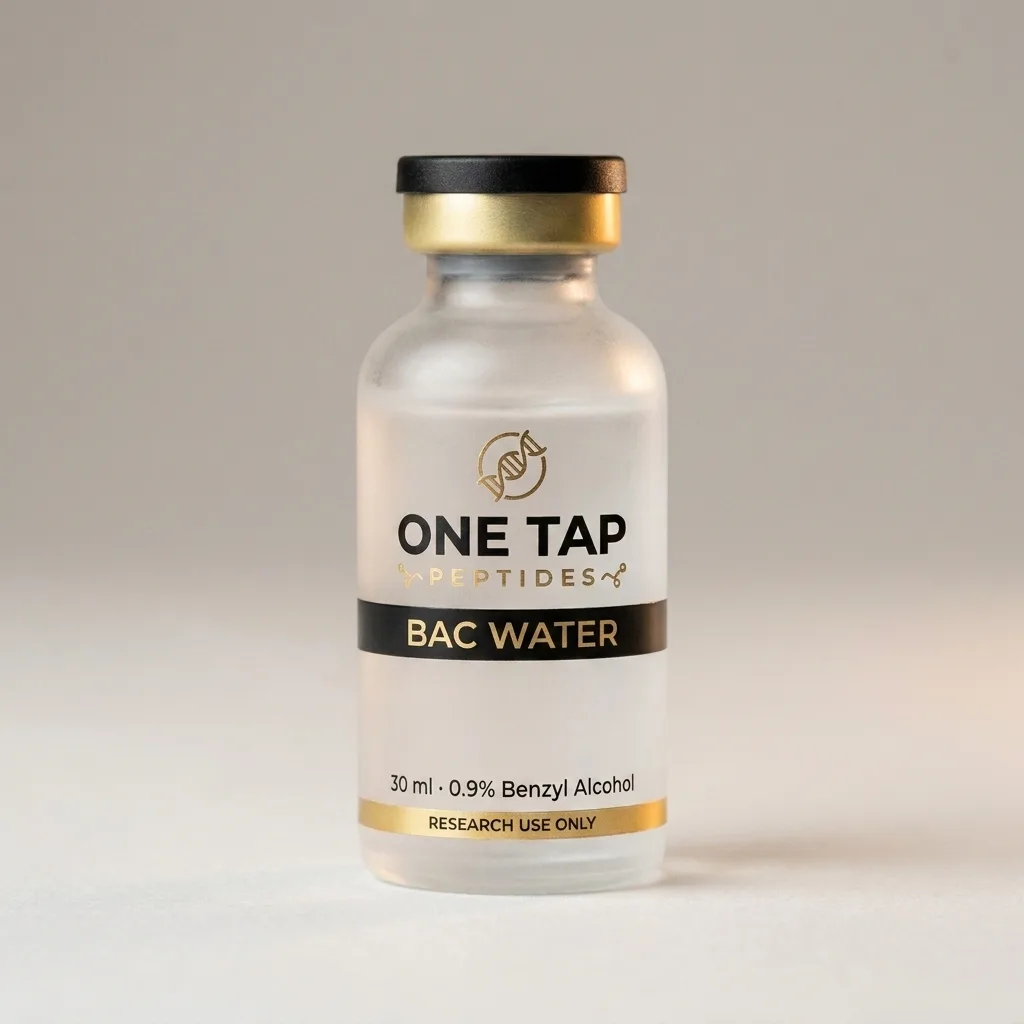
- Reconstitute with bacteriostatic water
- Vial capacity
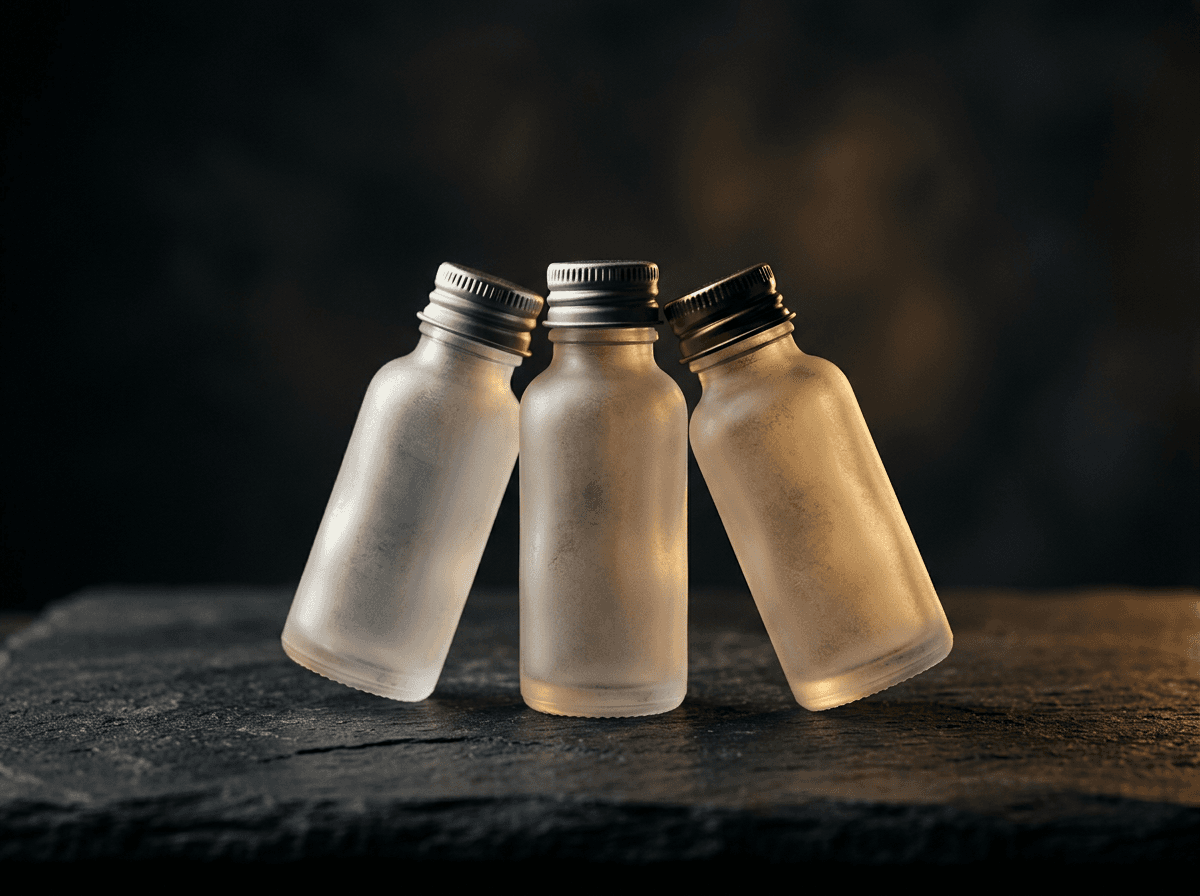
- 3 ml glass vial
Questions
GHK-Cu FAQ
Questions
GHK-Cu FAQ
What is GHK-Cu studied for?+
GHK-Cu is studied for its role in skin-firmness and elasticity research, the skin's natural repair-signaling processes, and collagen-related signaling — a copper-binding peptide the body produces naturally at levels that decline with age.
Is GHK-Cu the same as the AHK-Cu also sold here?+
No — both are copper-binding tripeptides in the same broad research class, but they have distinct amino-acid sequences and binding profiles, and researchers sometimes study the two in direct comparison.
How should GHK-Cu be handled and stored?+
It ships as a lyophilized powder. Reconstitute with bacteriostatic water and refrigerate at 2–8°C after mixing — good for roughly 4–6 weeks refrigerated, or up to 24 months unreconstituted in a cool, dry place.
What testing does this batch undergo?+
Every batch is HPLC tested for purity and identity, plus sterility and endotoxin screening, before release. The Certificate of Analysis for that lot ships with your order.
Cellular & Longevity
GHK-Cu
Copper peptide
A naturally occurring copper-binding peptide studied for skin-quality and repair-signaling research.
Size
Multi-vial pricing
Per-vial pricing, applied automatically. No code needed.
Ships within 24 hours · $20 flat shipping · Free over $200
Pay simply and securely via Zelle or Apple Pay (Apple Cash) — instructions are emailed the moment you order. How payment works →
Satisfaction guarantee — if a batch's documentation doesn't check out, contact support and we'll make it right.
All products sold by One Tap Peptides are intended for laboratory research use only. Not for human consumption. Not intended for animal use. Not intended for diagnostic or therapeutic purposes.
Related